
A clay tablet from Ugarit, an ancient city on the coast of Syria, records a day when the Sun was "put to shame." More than 3,000 years old, it is one of the oldest written records of an eclipse. For ages the sudden darkness looked like a message, and people stopped battles or started revolts over it. Later, astronomers learned to predict eclipses and used them to study the Sun and test new physics.
Cool Stories About History is a newsletter to learn history the fun way.
Join free and get:
6 new stories a month, straight to your inbox
The full archive of stories
Comment, ask questions, and chat with other readers
How These Were Chosen
Each eclipse kept here can be dated to the day, and each one left a written account of what people did before, during or after it.
Eleven darkened the Sun and one darkened the Moon. Six took place outside Europe and the United States, from ancient Iraq and Arabia to Siam, Brazil and the skies over Africa.
They run from the least remembered to the most famous.
12. Concorde 001 Chases the Moon's Shadow (1973)
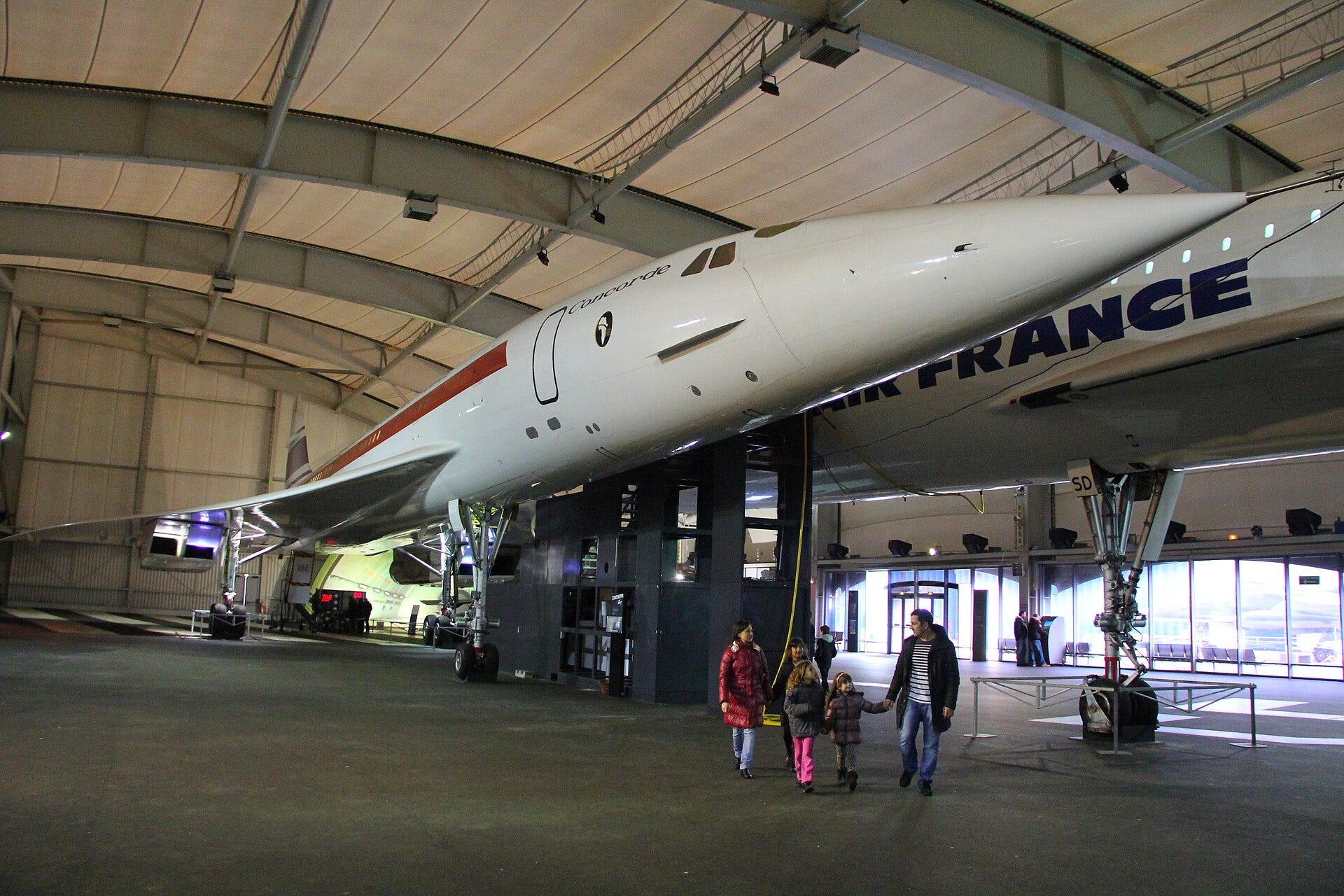
A prototype of Concorde, the French and British supersonic airliner, took off from the Canary Islands with holes cut in its roof. The Moon's shadow was about to race across Africa, and on the ground it would hide the Sun for 7 minutes and 4 seconds at most. Could a plane chase the shadow and stay inside it far longer?
The plane was Concorde 001, the French prototype. It left Las Palmas on Gran Canaria at 10:08 GMT on June 30, 1973.
On board were researchers from France, Britain and the United States, invited by France's national research agency. Their instruments pointed straight up through those openings.
Over Mauritania the plane met the shadow and flew east with it, at more than twice the speed of sound and about 10 miles up. It stayed in totality, the phase when the Moon hides the whole face of the Sun, for 74 minutes.
At that height the plane flew above the weather and above much of the air that absorbs infrared light. With an hour instead of a few minutes, the scientists could measure the corona and the chromosphere, the faint outer layers of the Sun that its glare normally hides.
Concorde 001 came down at Fort-Lamy in Chad, which is now N'Djamena. Donald Liebenberg, a physicist from Los Alamos in New Mexico, was on board, and he later said they had "set a record."
The prototype is now on display at Le Bourget, near Paris.
At a Glance
Aircraft: Concorde 001, the French prototype
Date: June 30, 1973
Route: From Las Palmas, Canary Islands, to Fort-Lamy, now N'Djamena, Chad, with the shadow met over Mauritania
Totality: 74 minutes in the air, against 7 minutes and 4 seconds at most on the ground
Where to see it today: Le Bourget, near Paris
About This Eclipse
What is the greatest eclipse in history?
There is no single answer. The longest total eclipse calculated for the ground between 2000 BC and AD 3000 will come on July 16, 2186, and last 7 minutes 29 seconds. In the air, Concorde 001 stayed in totality for 74 minutes in 1973.
11. Samuel Williams and the Eclipse Behind British Lines (1780)
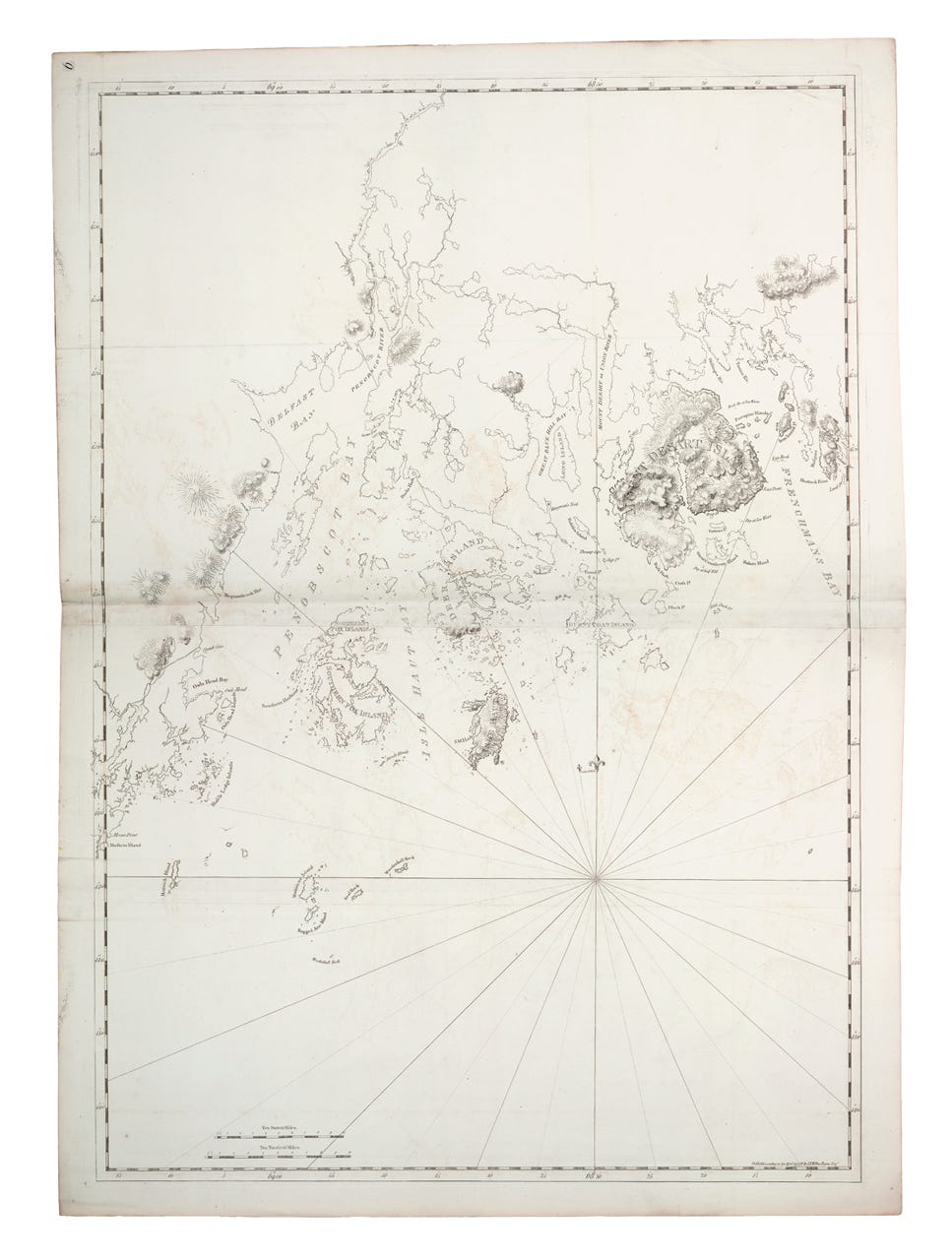
In the middle of the American Revolution, a Harvard professor named Samuel Williams asked the British for leave to sail into a bay their troops held. He wanted to watch the Sun go dark, and the enemy said yes, on two conditions.