
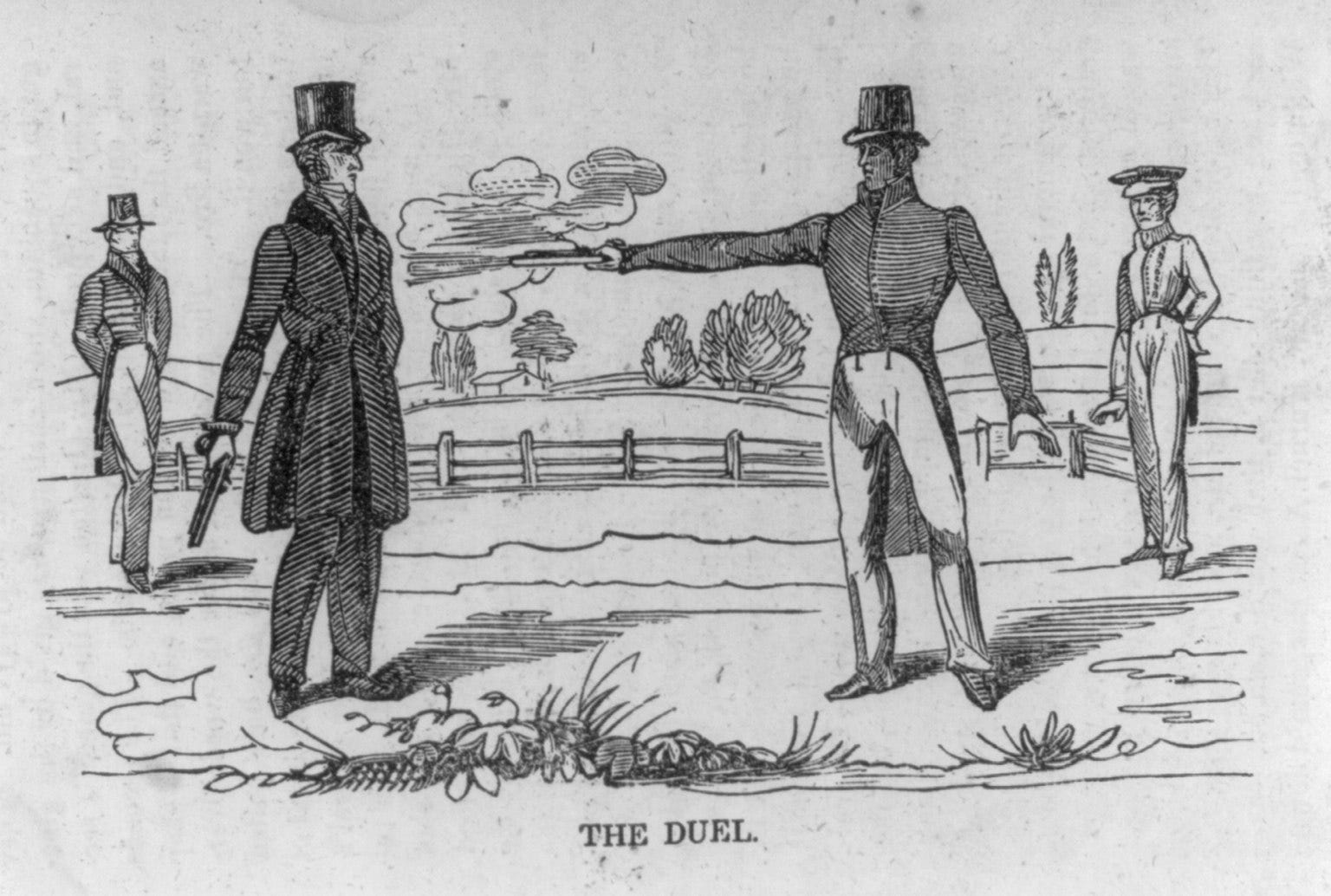
For hundreds of years, a gentleman in Europe or America who was called a liar in public had one accepted answer, a challenge to a duel. The law forbade it nearly everywhere, but a man who refused could be branded a coward and lose his career. In Britain, two prime ministers fought duels while in office.
Cool Stories About History is a newsletter to learn history the fun way.
Join free and get:
6 new stories a month, straight to your inbox
The full archive of stories
Comment, ask questions, and chat with other readers
How These Were Chosen
A duel was a fight between two men with swords or firearms to settle a point of honor. Most were arranged in advance under agreed rules by seconds, friends of the two men who carried the messages, chose the ground and measured the distance.
The twelve took place in France, the United States, Britain, Germany and Russia between 1704 and 1967. Half of them left a man dead, and in the other half nobody was seriously hurt. They run from duels Americans rarely hear about to the most famous of all.
12. Gaston Defferre vs. René Ribière (1967)
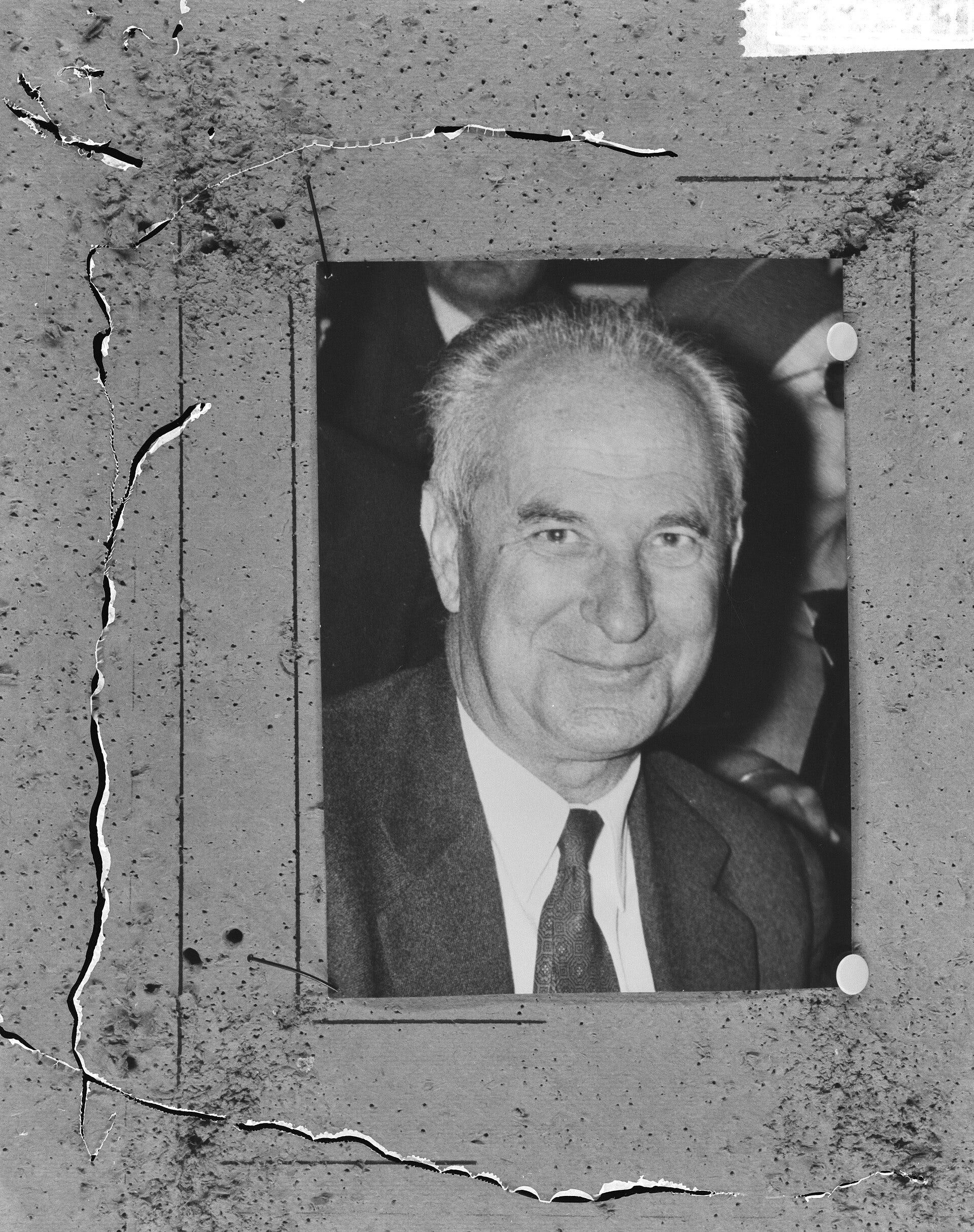
On April 21, 1967, two French deputies in open-collared shirts crossed swords in the garden of a private mansion in Neuilly-sur-Seine, just west of Paris. Their sleeves were rolled up, journalists stood around them, and a film camera was rolling.
One was Gaston Defferre, 56, Socialist mayor of the port city of Marseille and leader of his party's deputies. The other was René Ribière, a deputy from the party of General de Gaulle, then president of France.
The insult had come the day before. During a stormy debate in the National Assembly, the lower house of parliament, Ribière kept interrupting until Defferre shouted "Taisez-vous, abruti!" The words mean "Shut up, idiot."
Later, in the hall where deputies meet the press, Ribière asked for an apology, and Defferre refused. Ribière then sent him two seconds to demand satisfaction. As the offended man, he had the choice of weapons, and he picked the épée, the thin dueling sword.
Defferre knew the ritual well, since he had fought a pistol duel against another politician twenty years earlier. De Gaulle disliked the affair and sent emissaries to stop it. They failed, and the police officially took no notice.
The referee, Jean de Lipkowski, was himself a Gaullist politician. At his signal the two men went at each other for three bouts and four minutes. Defferre touched Ribière twice on the forearm, and Lipkowski stopped the fight on those two light scratches.
Those few drops of blood were the last ever shed in a French duel. Ribière was getting married the next day. Whenever Defferre told the story afterward, he liked to say that he had aimed at the groin to spoil the wedding night.
At a Glance
Who: Gaston Defferre (1910 to 1986), mayor of Marseille, and René Ribière, Gaullist deputy
Date: April 21, 1967
Place: Garden of a private mansion, Neuilly-sur-Seine, outside Paris
Weapons: Épées
Outcome: Two scratches on Ribière's forearm, fight stopped after four minutes, nobody seriously hurt
About This Duel
What was the last duel in France?
Defferre against Ribière, on April 21, 1967, is the last one on record. The one before it had taken place nine years earlier, in March 1958 near Vernon in Normandy, between the dancer Serge Lifar and the Marquis de Cuevas over an artistic quarrel.
11. Jonathan Cilley vs. William Graves (1838)
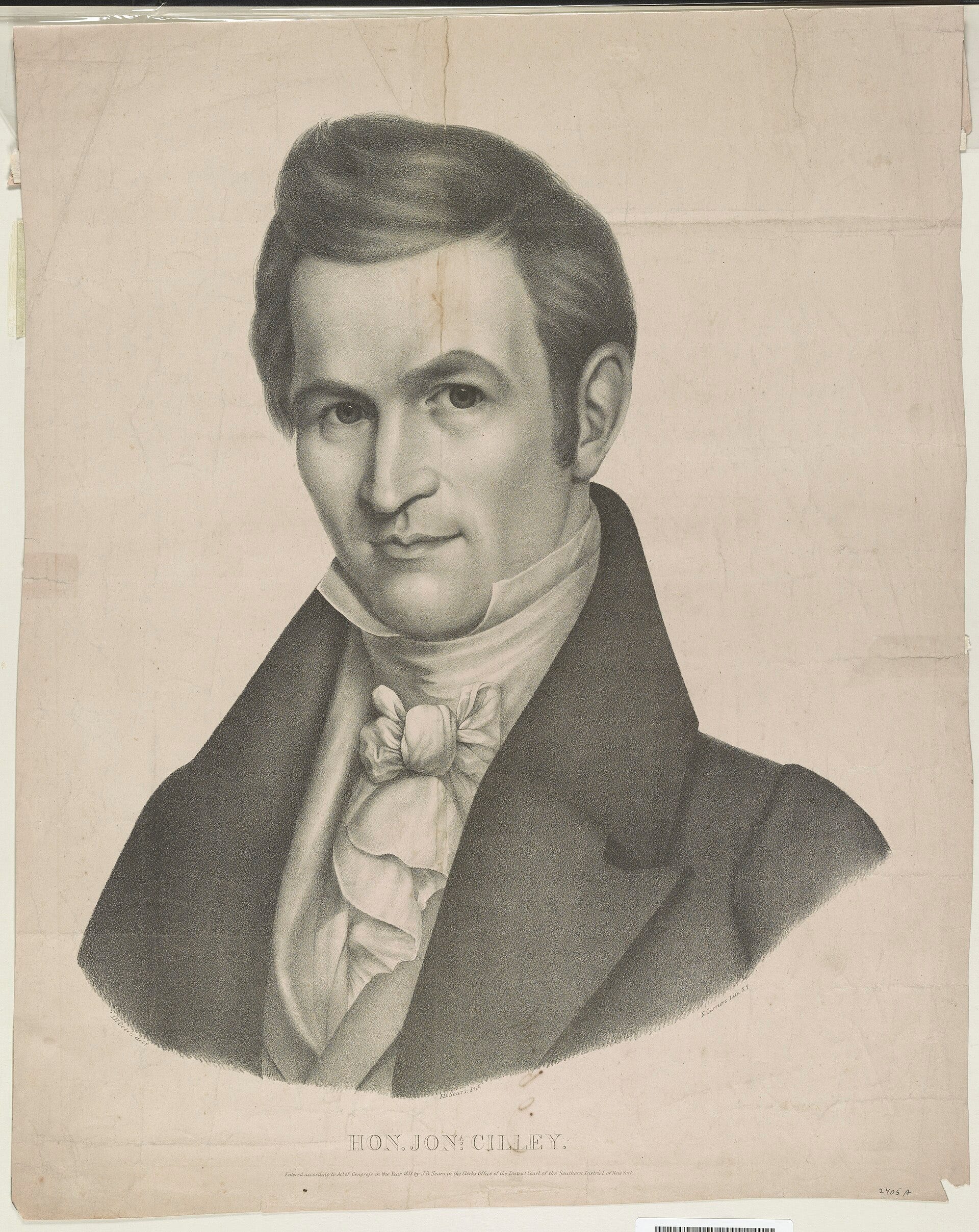
In February 1838, Jonathan Cilley, a congressman from Maine, was shot dead in a field outside Washington by a man he had never insulted. William Graves of Kentucky, another congressman, had fired at him twice and missed twice, and twice the seconds had tried to stop the duel. What had Cilley done that was worth a third shot?