
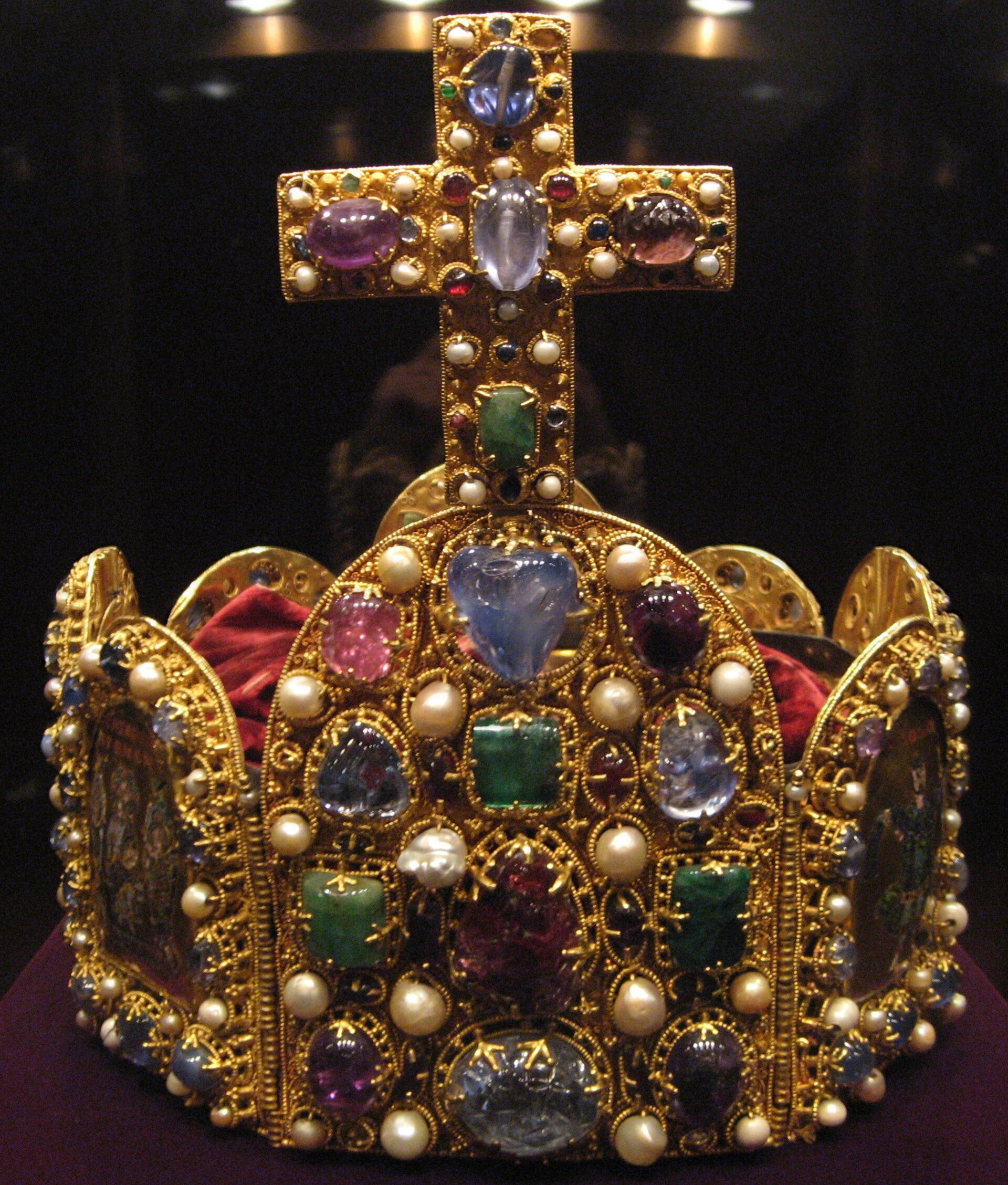
After the execution of King Charles I in 1649, England's Parliament had the royal crowns broken up and their gold struck into coins. A crown was worth far more than its metal, because it said who had the right to rule. That is why famous crowns were so often hidden, stolen or fought over, and why some came home only decades later.
Cool Stories About History is a newsletter to learn history the fun way.
Join free and get:
6 new stories a month, straight to your inbox
The full archive of stories
Comment, ask questions, and chat with other readers
How These Were Chosen
All twelve crowns are real objects that survive today. The oldest was hidden in a desert cave around 3500 BC, and the youngest was made in 1937.
Not all of them were made for kings. One was made for a statue of the Virgin Mary, another for a village church in Ethiopia, and nobody knows who, if anyone, wore the oldest.
The order starts with crowns few Americans know and ends with the two British crowns seen at the lying in state of Elizabeth II and the crowning of Charles III.
12. The Holy Crown of Hungary (1945 to 1978)
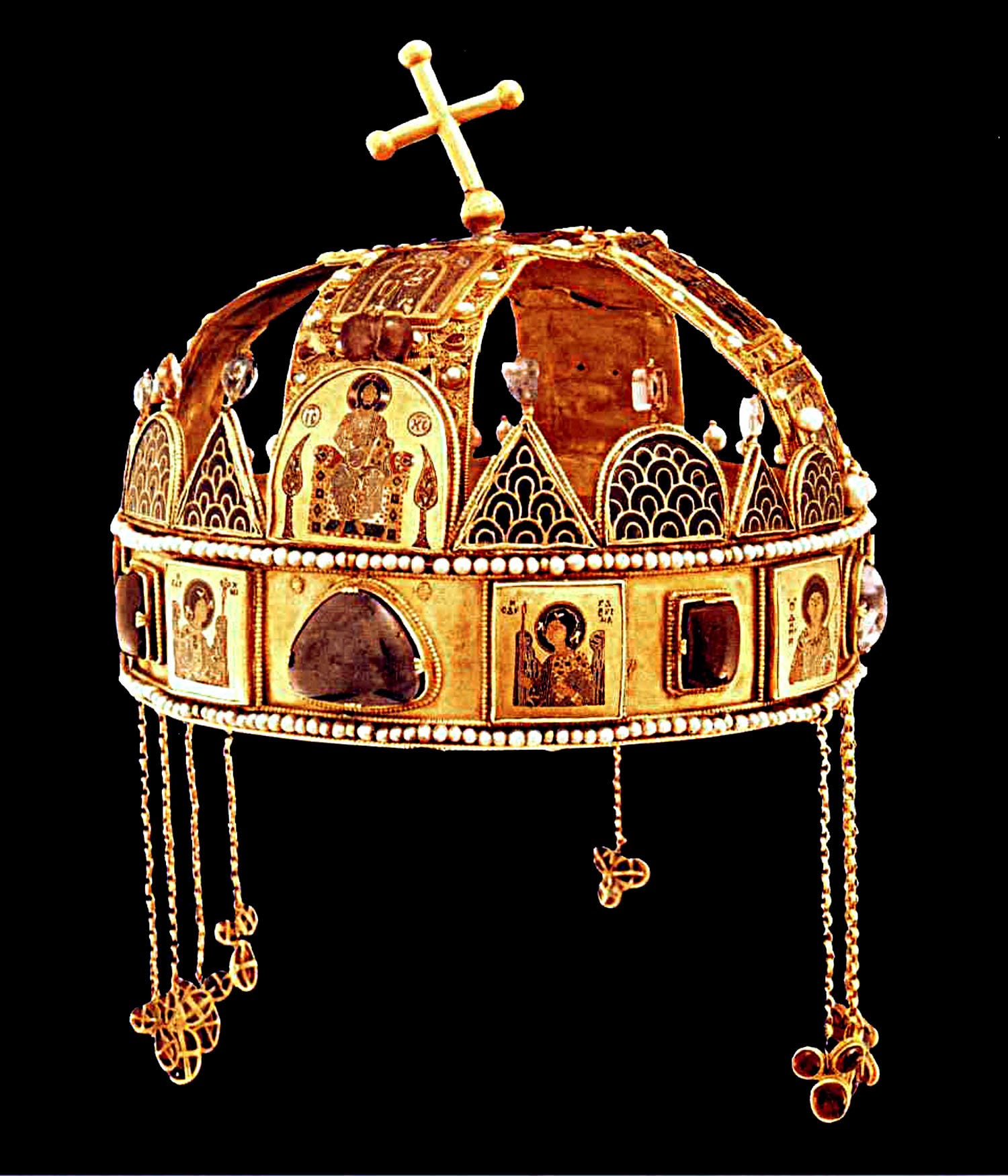
A group of Hungarian soldiers buried a barrel in the Austrian village of Mattsee on the night of April 26, 1945. Inside lay the Holy Crown of Hungary, with the other relics used to crown the country's kings.
Hungarians held that crown to be the most sacred object of their nation, and the soldiers were its official guards. As the Soviet Red Army pushed into Hungary in the last months of World War II, they had carried it west from town to town and across the border.
American troops captured the guards soon after the burial, and the guards showed them where to dig. On May 4, 1945, soldiers of the U.S. 86th Infantry Division lifted the crown jewels out of the ground at Mattsee.
The crown did not go home. It traveled to Augsburg in Germany, then to a bank vault in Frankfurt, and across the Atlantic. Its last stop was Fort Knox in Kentucky, where the United States keeps its gold.
It stayed in American hands for nearly 33 years. During that time Hungary had a Communist government allied with the Soviet Union, and many Hungarian Americans felt that so important a national symbol should never be handed to it.
President Jimmy Carter decided otherwise, saying the crown "belonged to the Hungarian people." On January 6, 1978, Secretary of State Cyrus Vance carried it into the Parliament building in Budapest.
There Vance handed it over "on behalf of the American people" to Antal Apró, the speaker of Hungary's National Assembly.
At a Glance
What: The Holy Crown of Hungary, used to crown the country's kings
Hidden: In a barrel at Mattsee, Austria, on the night of April 26, 1945
Recovered: May 4, 1945, by the U.S. 86th Infantry Division
Kept: In American custody, last of all at Fort Knox, Kentucky
Returned: January 6, 1978, handed over by Cyrus Vance in Budapest
11. The Crown of Cheleqot, Ethiopia (1998 to 2020)
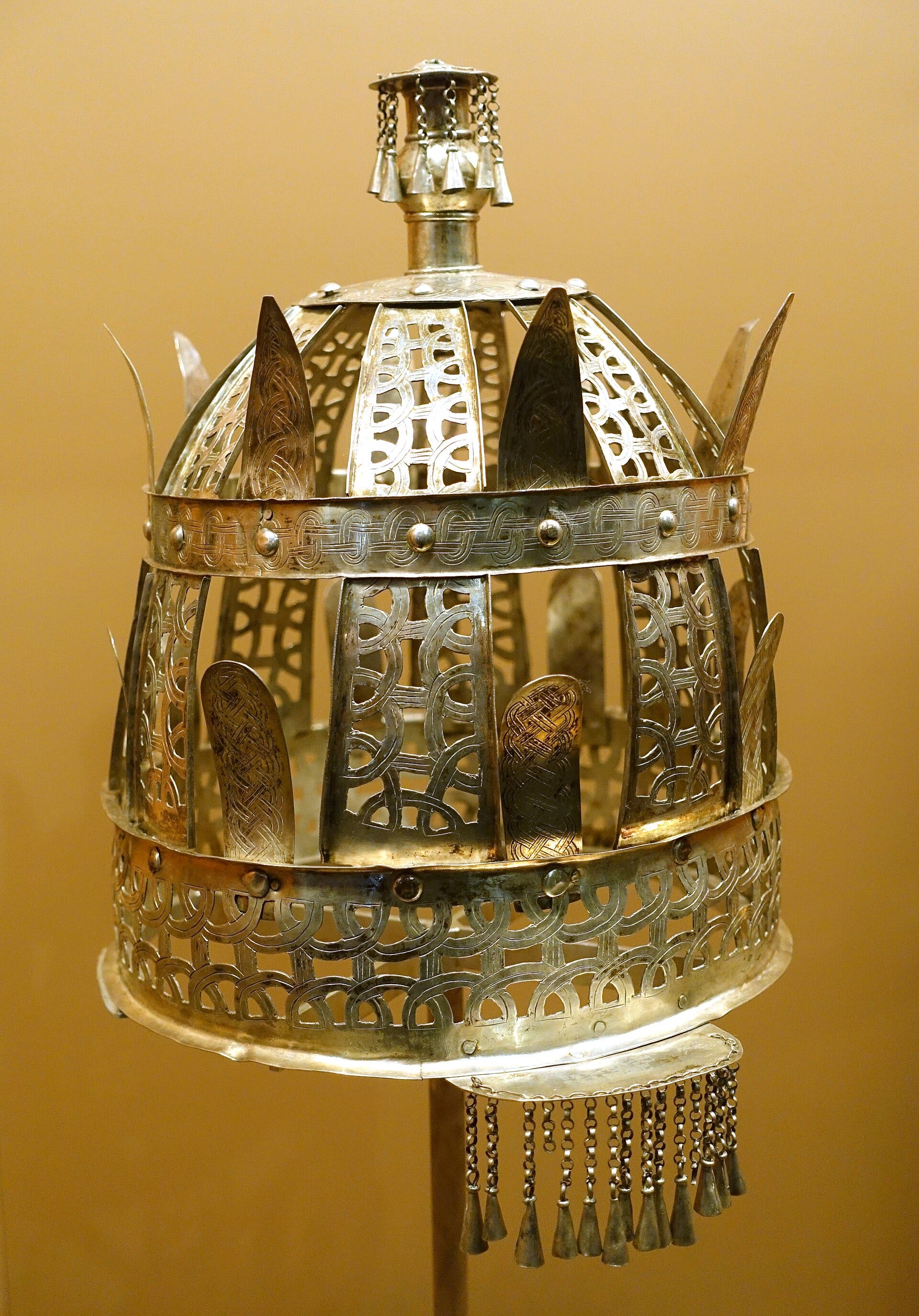
In 1998, an Ethiopian living in the Netherlands opened a suitcase that a guest had brought to his home. His name was Sirak Asfaw, and inside lay the Crown of Cheleqot, a church crown stolen from his own country. What could one man do with a national treasure found in a visitor's luggage?