
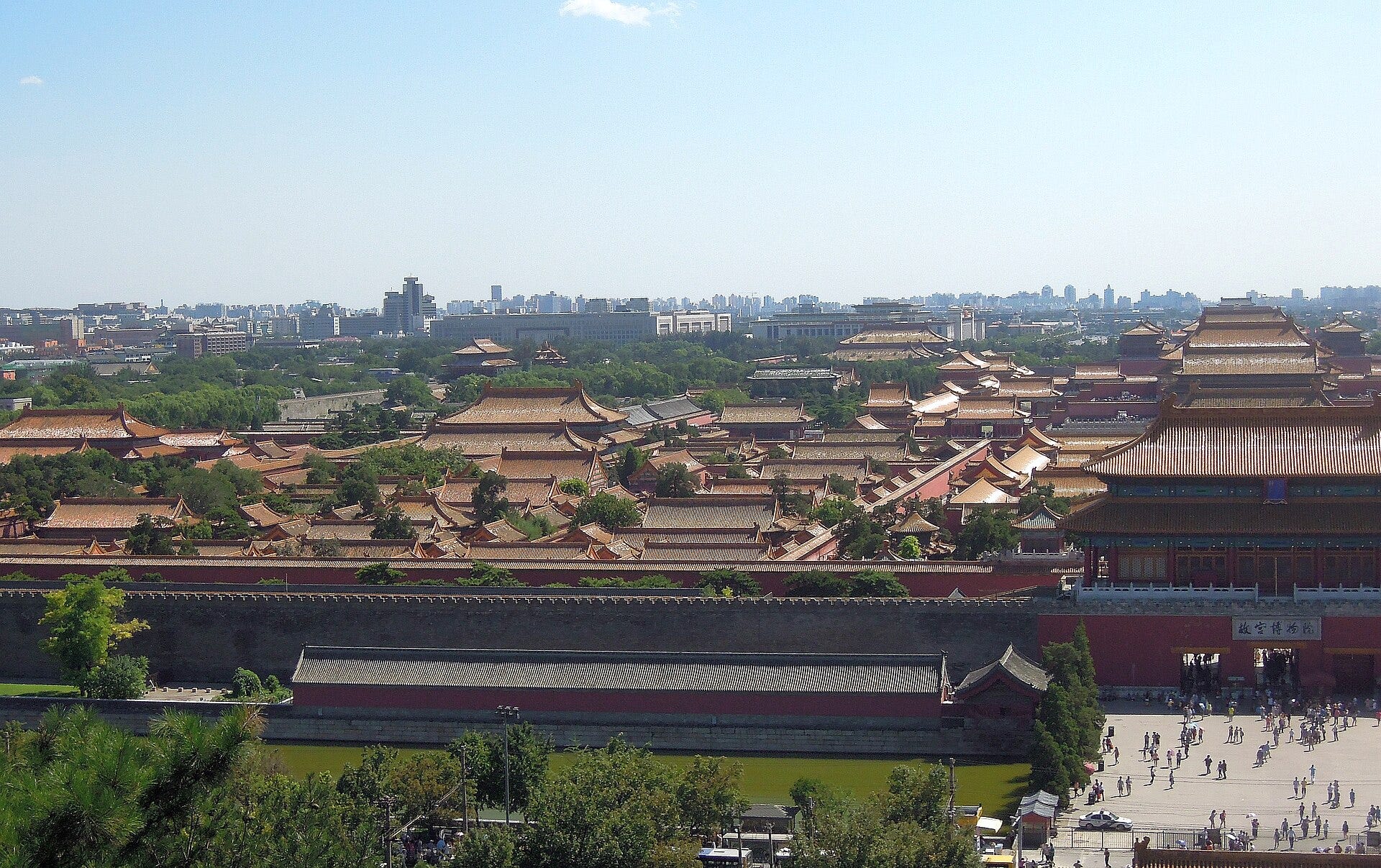
For more than 2,100 years, the man who ruled China held the title of emperor and was called the Son of Heaven. The old belief held that Heaven gave him its mandate, the right to rule, and could take it back from a cruel emperor, by revolt if necessary. The title lasted from 221 BC to 1912, and twelve of the men who held it show how the throne was won, kept and lost.
Cool Stories About History is a newsletter to learn history the fun way.
Join free and get:
6 new stories a month, straight to your inbox
The full archive of stories
Comment, ask questions, and chat with other readers
How These Were Chosen
All twelve held the title of emperor of China. The first of them created it in 221 BC, and the last of the twelve to die, Qianlong, died in 1799.
They come from eight ruling families. Some built canals and palaces, others seized the throne by force, and four lost it, or their lives, to rebels, invaders or their own court.
The list climbs from rulers few Americans have heard of to the man whose clay army still stands near Xi'an.
12. Wang Mang, the Usurper Emperor (AD 9 to 23)
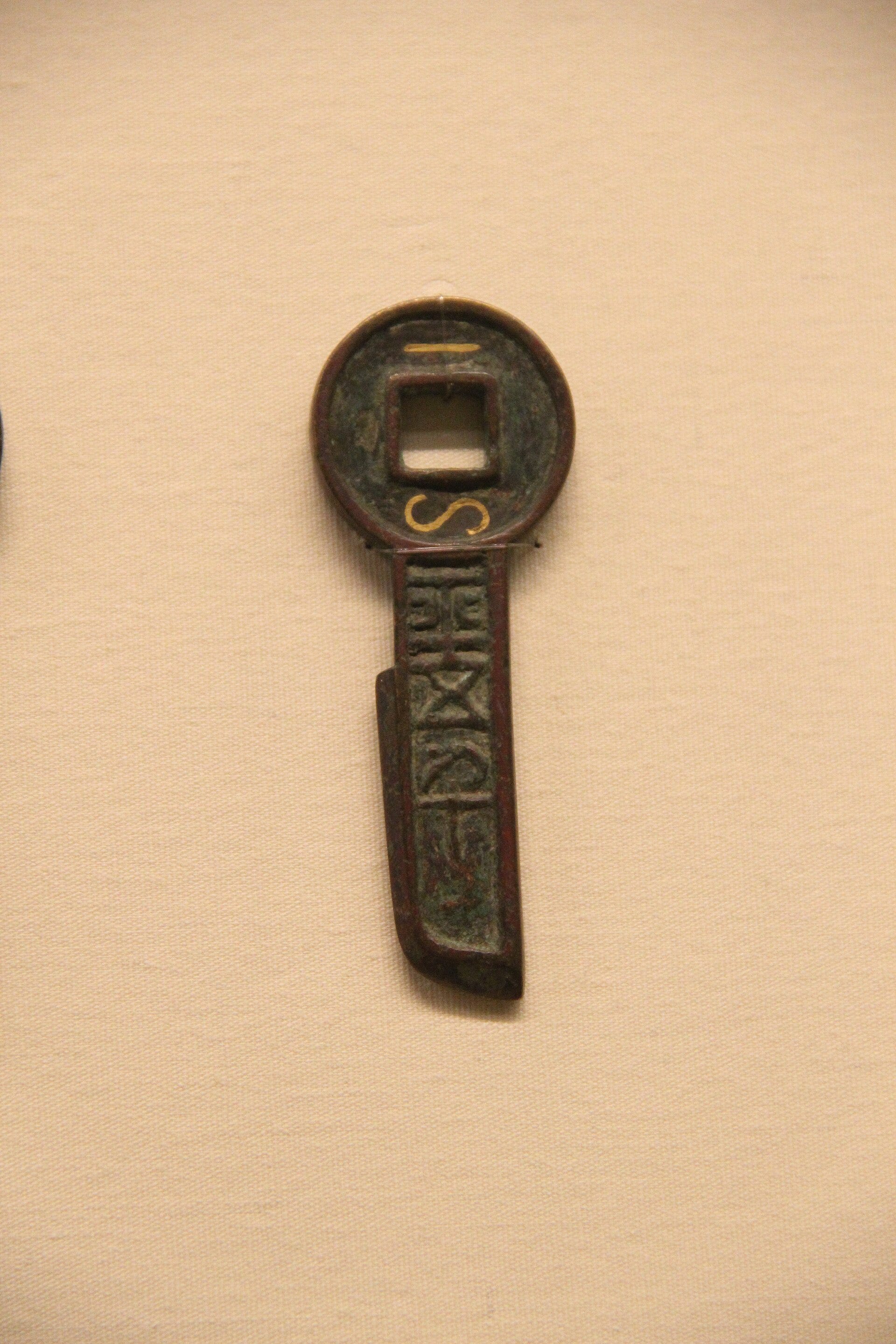
Inside the palace of Chang'an, then the capital of China, stood a platform called the Terrace Bathed by Water. On October 6, AD 23, the last defenders of an emperor fell back onto it, and he stood among them.
He was Wang Mang, and he had not been born to the throne. He was a nephew of an empress of the Han, the family that ruled China. In 8 BC he was named regent and began to govern in the emperor's place.
He married his daughter to the boy emperor Pingdi. When Pingdi died, Wang Mang chose a small child as heir, and on January 10, AD 9, he took the throne himself. He called his new dynasty Xin.
As emperor, he set out to end private ownership of land and to abolish private slavery. Neither reform held, and bands of rebels rose across the empire until, in the autumn of 23, they reached his capital.
On the terrace, the rebels broke through, and Wang Mang was killed with his last followers. Another rebel band called the Red Eyebrows later took Chang'an, now Xi'an, and his dynasty ended in 25. He went down in history as the Usurper Emperor.
He left a fortune behind him. About sixty chests of gold remained in his palace, each holding ten thousand catties, a Chinese unit of weight. Together they came to roughly 150 metric tons.
At a Glance
Who: Wang Mang, regent of the Han who made himself emperor
Dynasty: Xin, which he founded and which lasted from AD 9 to 25
Reigned: January 10, AD 9, to October 6, AD 23
Where: Chang'an, now Xi'an
How it ended: Killed by rebels on the Terrace Bathed by Water, with about sixty chests of gold left in his palace
11. Song Taizu, Zhao Kuangyin (960 to 976)
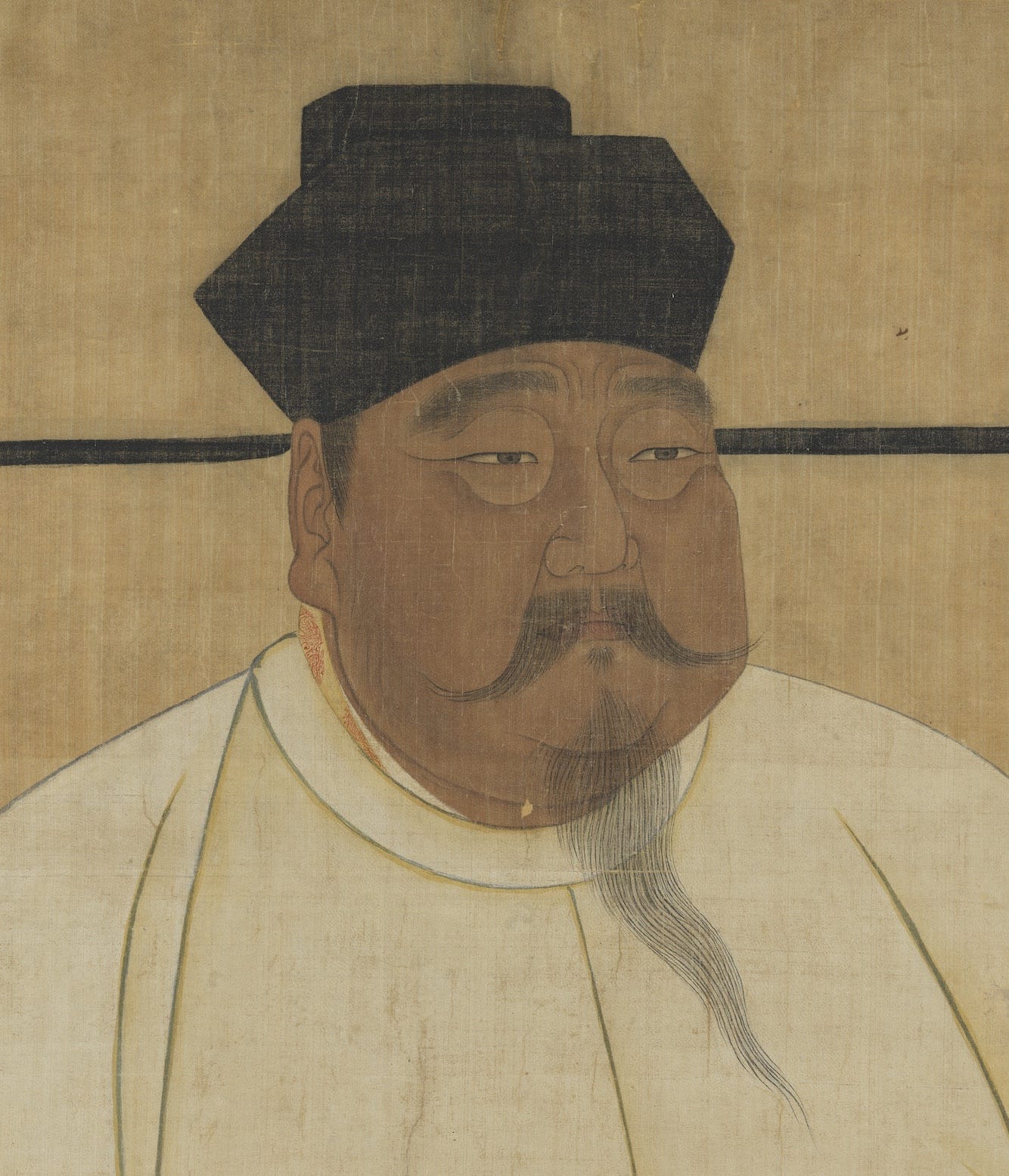
Officers woke their commander in the night, in an army camp at a bridge outside Kaifeng. They hailed Zhao Kuangyin as emperor and robed him in imperial yellow, although the Later Zhou still had an emperor, a child. If soldiers could make an emperor in a single night, what would stop them from doing it again?