
Early in 1910, a Harvard student of 11 lectured about a hundred professors and advanced students on bodies with four dimensions. Adults have long been drawn to children who work at that level, and some have paid for their schooling or put them on a stage. The harder question is what those children did with the rest of their lives.
Cool Stories About History is a newsletter to learn history the fun way.
Join free and get:
6 new stories a month, straight to your inbox
The full archive of stories
Comment, ask questions, and chat with other readers
How These Were Chosen
A child prodigy does an adult's work at the level of a trained professional. Each of the twelve did such work before turning 18. Adults who could judge it took it seriously enough to test it, print it, pay for it, hire the child or put the child on a stage.
Five of the twelve were born outside Europe and the United States, and five are women. They come in order of fame, starting with the least known and ending with the most famous.
12. Teresa Carreño (1853 to 1917)
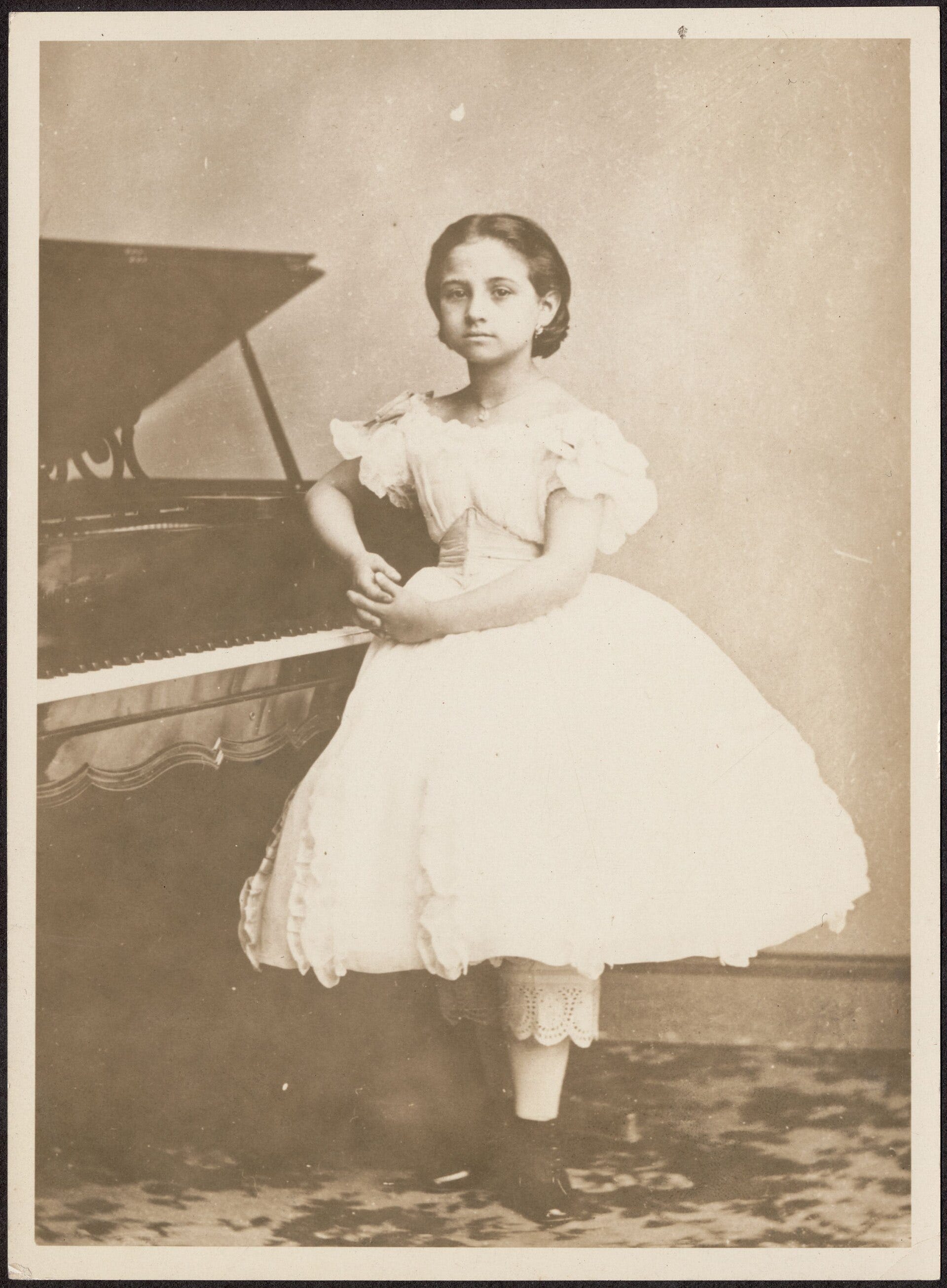
In the fall of 1863, Mary Lincoln, the president's wife, asked a Venezuelan pianist of nine whether she would like to try the grand piano of the White House. Teresa Carreño tried it and found it "too badly out of tune to be used."
She had been born in Caracas on December 22, 1853. Her father, Manuel Antonio Carreño, was a prominent politician and an amateur pianist, and he began her lessons when she was six. She later described her days: "two hours in the morning and two in the afternoon, and the rest of the day I played with my doll."
In 1862 a revolution drove the family into exile, and they settled in New York. On November 25 of that year, at eight, she gave her first concert at Irving Hall. The debut caught the ear of the American pianist and composer Louis Moreau Gottschalk, who began teaching her alongside her father.
Her father ran her career as well as her lessons for about ten years. In 1863 he took her across New England, to Havana and, that fall, to the White House. She later wrote that the Lincolns received them "so informally, they were all so very nice to me that I almost forgot to be cranky."
Having judged the piano, she played it anyway. She opened with Gottschalk's Night March and closed with his piece The Dying Poet.
Her career lasted more than fifty years. She made Berlin her base from 1889, toured the world twice and was nicknamed "the Valkyrie of the piano," after the warrior women of Norse myth. She also composed, sang opera and encouraged the young American composer Edward MacDowell.
She kept performing until a few weeks before her death in New York on June 12, 1917, at 63. In Caracas, the Teatro Teresa Carreño bears her name and keeps a large collection of her papers and concert gowns.
At a Glance
Who: Teresa Carreño, Venezuelan pianist (1853 to 1917)
Early work: First concert at Irving Hall, New York, November 25, 1862, at age 8
Famous moment: Played at the White House for the Lincolns in the fall of 1863, at 9
As an adult: A concert career of more than fifty years, nicknamed "the Valkyrie of the piano"
Remembered today: The Teatro Teresa Carreño in Caracas, which keeps her papers and concert gowns
11. Maria Gaetana Agnesi (1718 to 1799)
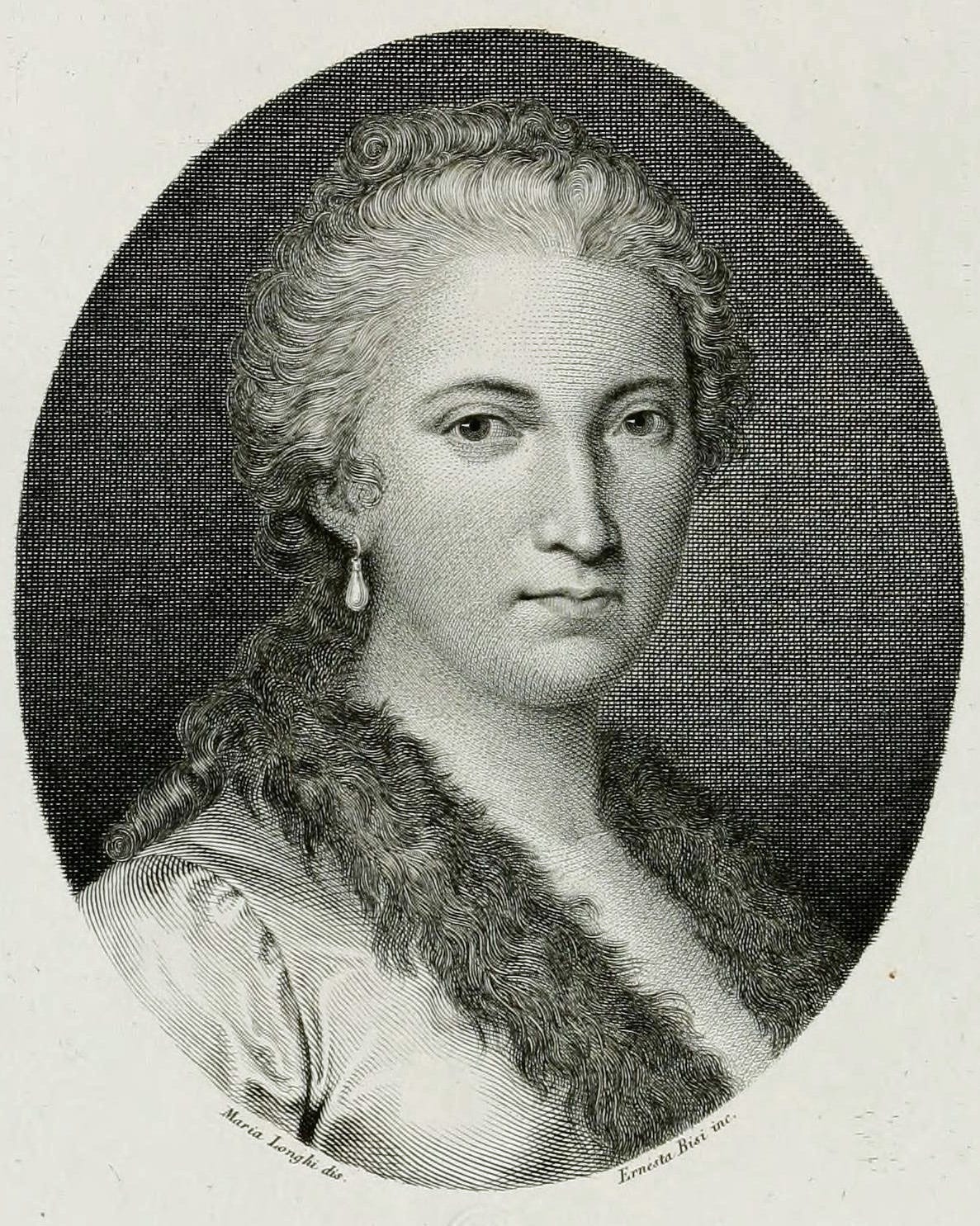
In her father's garden in Milan, at an academic gathering he had arranged, a girl of nine named Maria Gaetana Agnesi recited a speech in Latin from memory. The speech argued that women should be allowed a higher education. Would learned men like those listening ever let a woman teach at a university?