
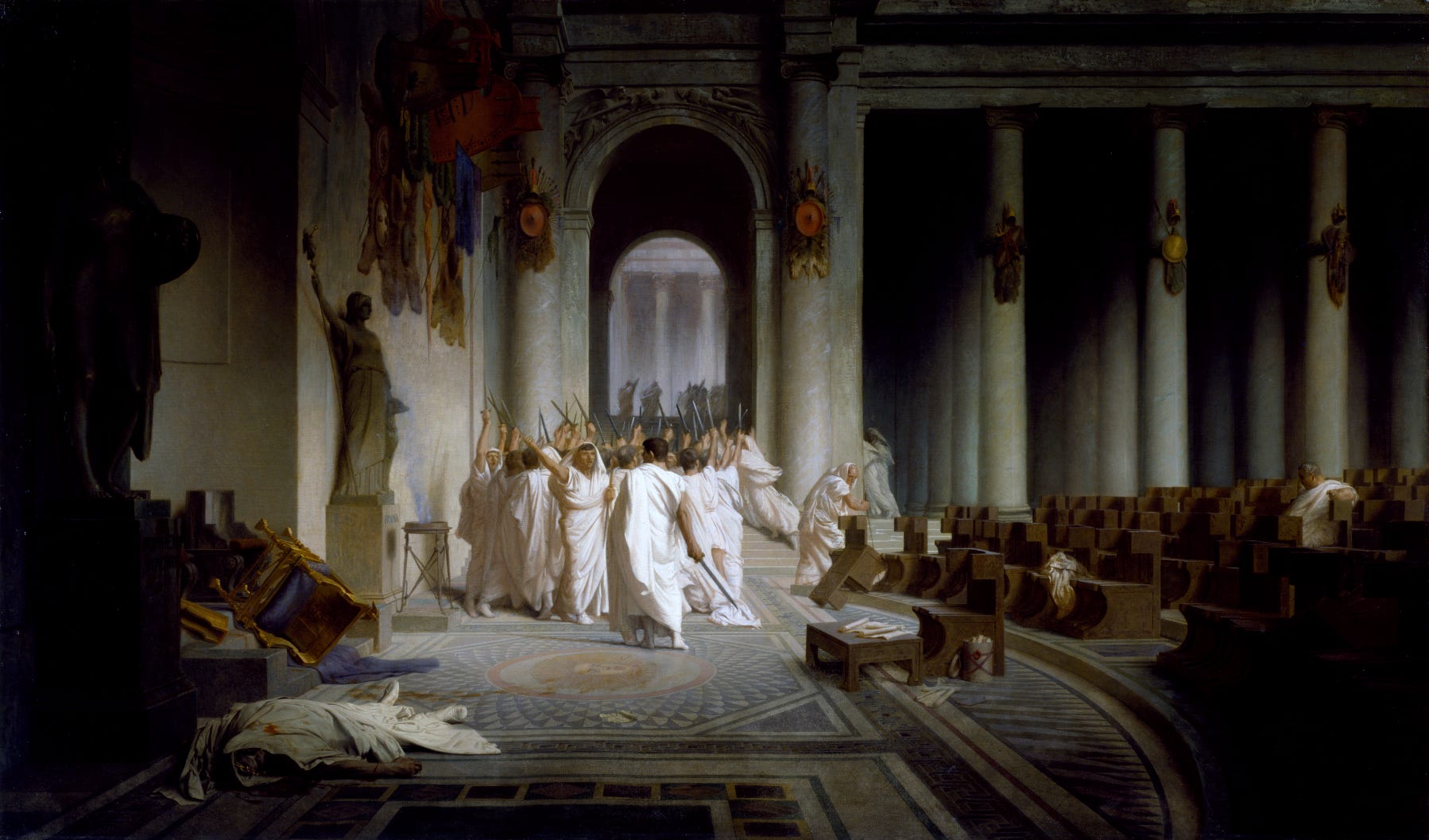
On March 13, 1881, a bomb killed the tsar of Russia in St. Petersburg. The men who made it wanted to end the unlimited power of Russia's rulers. Instead, the tsar's son took the throne the next day and declared that he would keep all of it. One political murder can change what a country does next, though rarely in the direction the killer intended.
Cool Stories About History is a newsletter to learn history the fun way.
Join free and get:
6 new stories a month, straight to your inbox
The full archive of stories
Comment, ask questions, and chat with other readers
How These Were Chosen
The twelve killings are real and documented, from Rome in 44 BC to the Congo in 1961, on four continents. Each one was followed by a political change that can be dated, from a new tsar the next day to the fall of Japan's shoguns seven years later.
They start with a murder few Americans have heard of and end with the shots that set off a world war.
12. Nizam al-Mulk (1092)
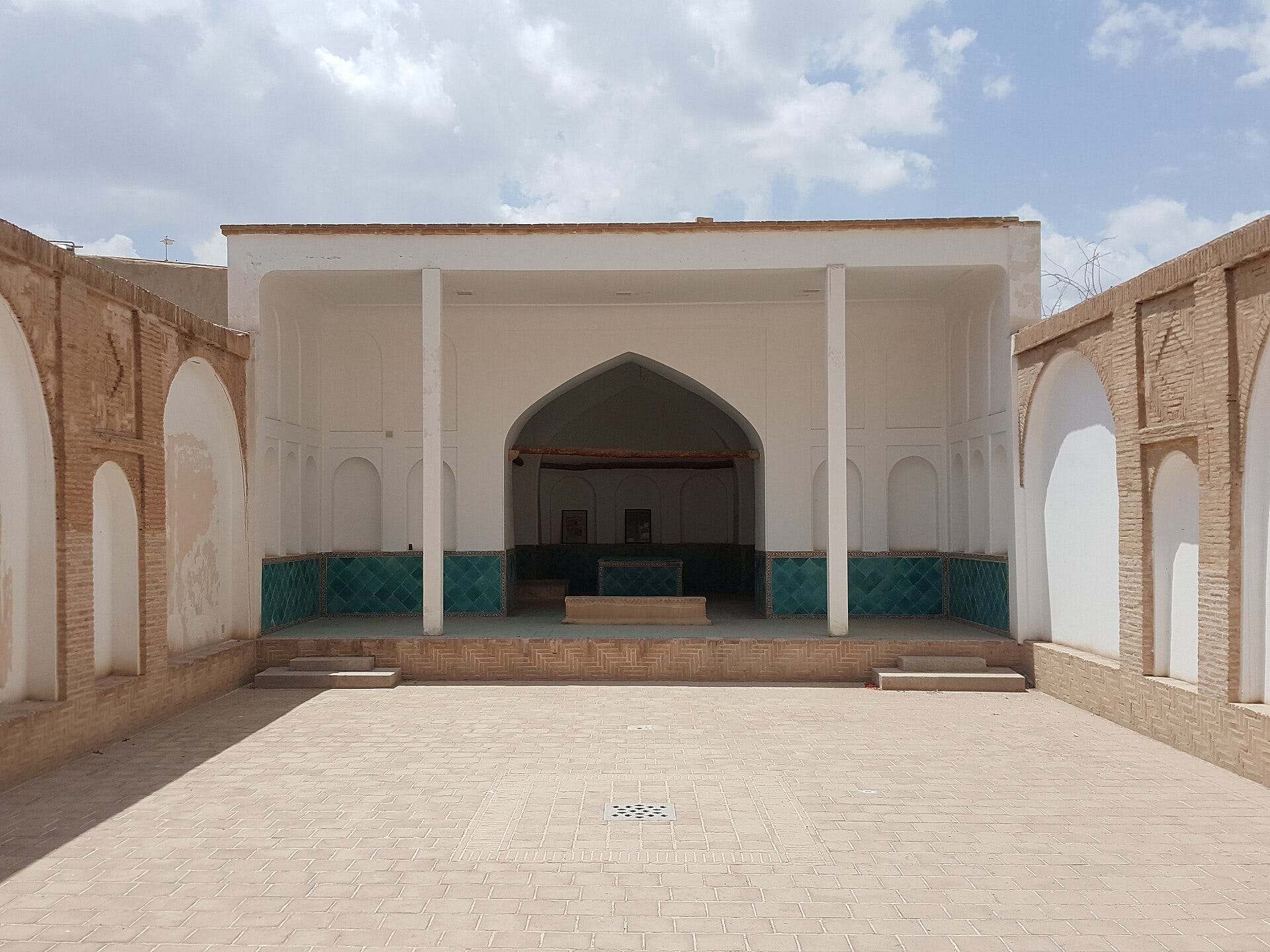
On October 14, 1092, a man dressed as a Sufi, a Muslim mystic, walked up to the most powerful official of the Seljuq empire and stabbed him. It happened on the road from Isfahan to Baghdad, near the town of Nehavand, in what is now Iran. The victim was Nizam al-Mulk, the empire's vizier, or chief minister.
The Seljuqs were Turkish horsemen who had conquered Iran, Iraq, Syria and Palestine in the eleventh century. Their sultans left the daily work of government to the vizier. Nizam al-Mulk had held the post since 1063, nearly thirty years, and by 1092 he governed in the name of the sultan Malik-Shah.
In his last years he turned against the Nizaris, a breakaway group of Shia Muslims who held a string of castles in the mountains of Iran and Syria. He fought their influence by every means he had. The Nizaris could not face a sultan's army in the field, so they used a different weapon: one man in disguise, close enough to strike.
The killer on the road was probably one of them, sent from Alamut, their main fortress in northern Iran. Only probably, because the vizier also had enemies at court. Terken Khatun, the sultan's wife, wanted her own son to inherit the throne, while the vizier backed a son of another wife.
Taj al-Mulk, the sultan's favorite courtier, wanted the vizier's job. Some accounts put those two behind the knife, and some point to Malik-Shah himself, who had grown cool toward his minister.
Whoever sent the killer, the sultan outlived his vizier by less than a month. Malik-Shah died suddenly in Baghdad in November 1092. With both men gone, the empire broke apart from within.
The Nizaris left English a word. Their enemies called them hashashi, an Arabic insult, and the word became "assassin." The old story that they drugged themselves before a killing finds no support in the Nizaris' own sources.
At a Glance
Who: Nizam al-Mulk, vizier of the Seljuq empire (c. 1018 to 1092)
Date: October 14, 1092
Place: On the road from Isfahan to Baghdad, near Nehavand, in present-day Iran
Killer: Probably a Nizari from Alamut, disguised as a Sufi mystic
What followed: The sultan Malik-Shah died within a month and the Seljuq empire broke apart
About This Assassination
Where does the word assassin come from?
From the Arabic hashashi, an insult for the Nizaris, who held their castles from the late eleventh century until the Mongol conquests of the mid-thirteenth and never used the word for themselves.
Who was the first assassin?
No source names one. The word comes from the name the Nizaris' enemies gave them, and Nizam al-Mulk, killed in 1092, is their best-known victim.
11. Thomas Becket (1170)
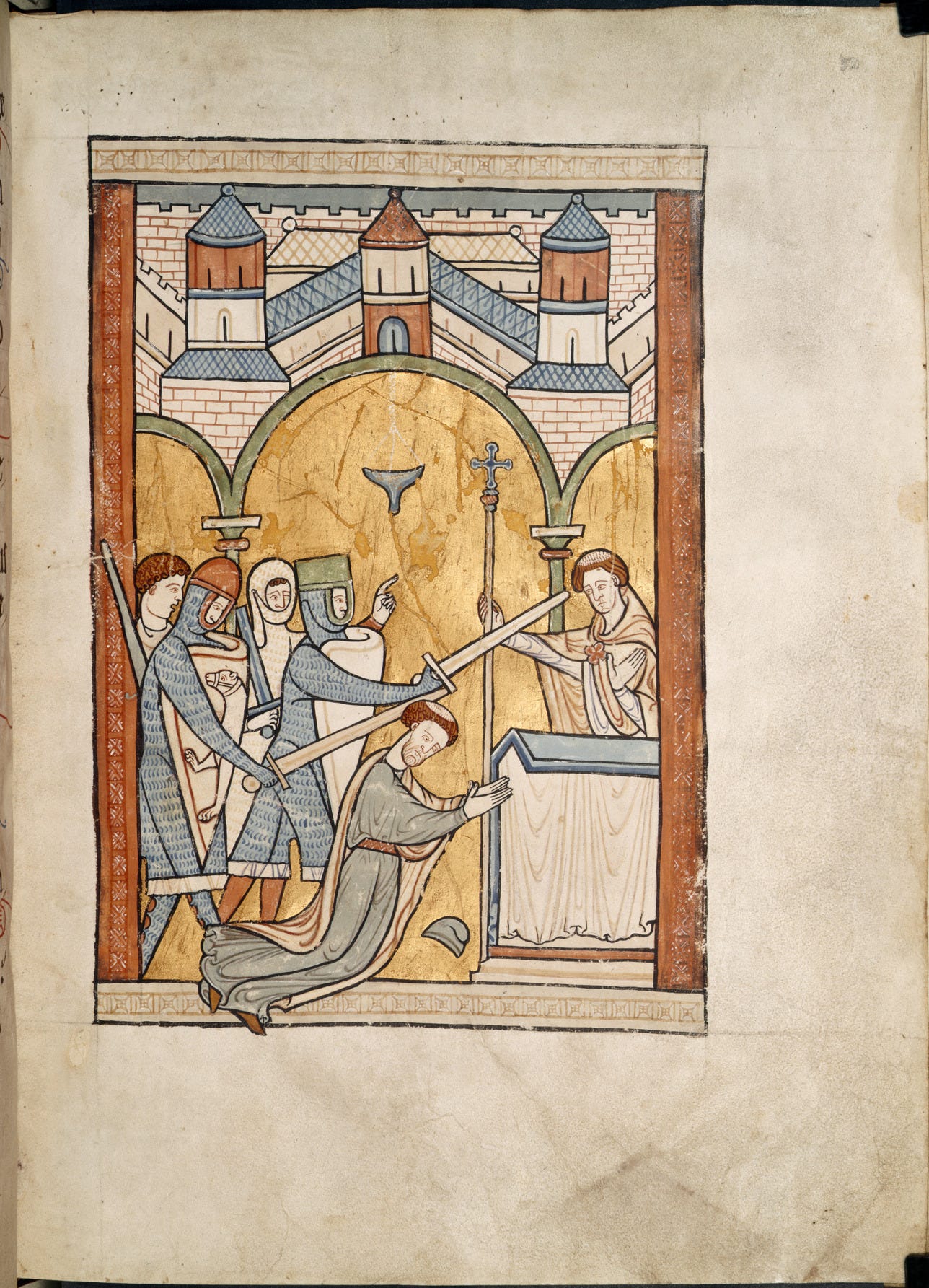
Thomas Becket had been King Henry II's chancellor and friend before he became archbishop of Canterbury, the highest post in the English Church. Then the two men fell out over whether priests accused of crimes should answer to the king's courts. On December 29, 1170, four of Henry's knights cut Becket down inside his own cathedral, and nobody could say whether the king had sent them.