
In 1925, at Ur, an ancient city in southern Iraq, the archaeologist Leonard Woolley found a collection of objects that were already antiques when someone gathered them. Many carried labels in three languages, and he took it for the earliest known museum, some 2,500 years old. People have collected the past for that long, yet many of its most famous traces were first seen by people who were not looking for them.
Cool Stories About History is a newsletter to learn history the fun way.
Join free and get:
6 new stories a month, straight to your inbox
The full archive of stories
Comment, ask questions, and chat with other readers
How These Were Chosen
Each of the twelve finds can be followed from the moment someone first saw it. Most were first seen by people who were not archaeologists, and one by a band of thieves.
Tutankhamun's tomb and Pompeii are left out because other stories on this site tell them.
No survey measures how famous a find is, so the order is a judgment call. It climbs from the finds an American reader is least likely to know to the one nearly everyone has heard of.
12. The Lord of Sipán (1987)
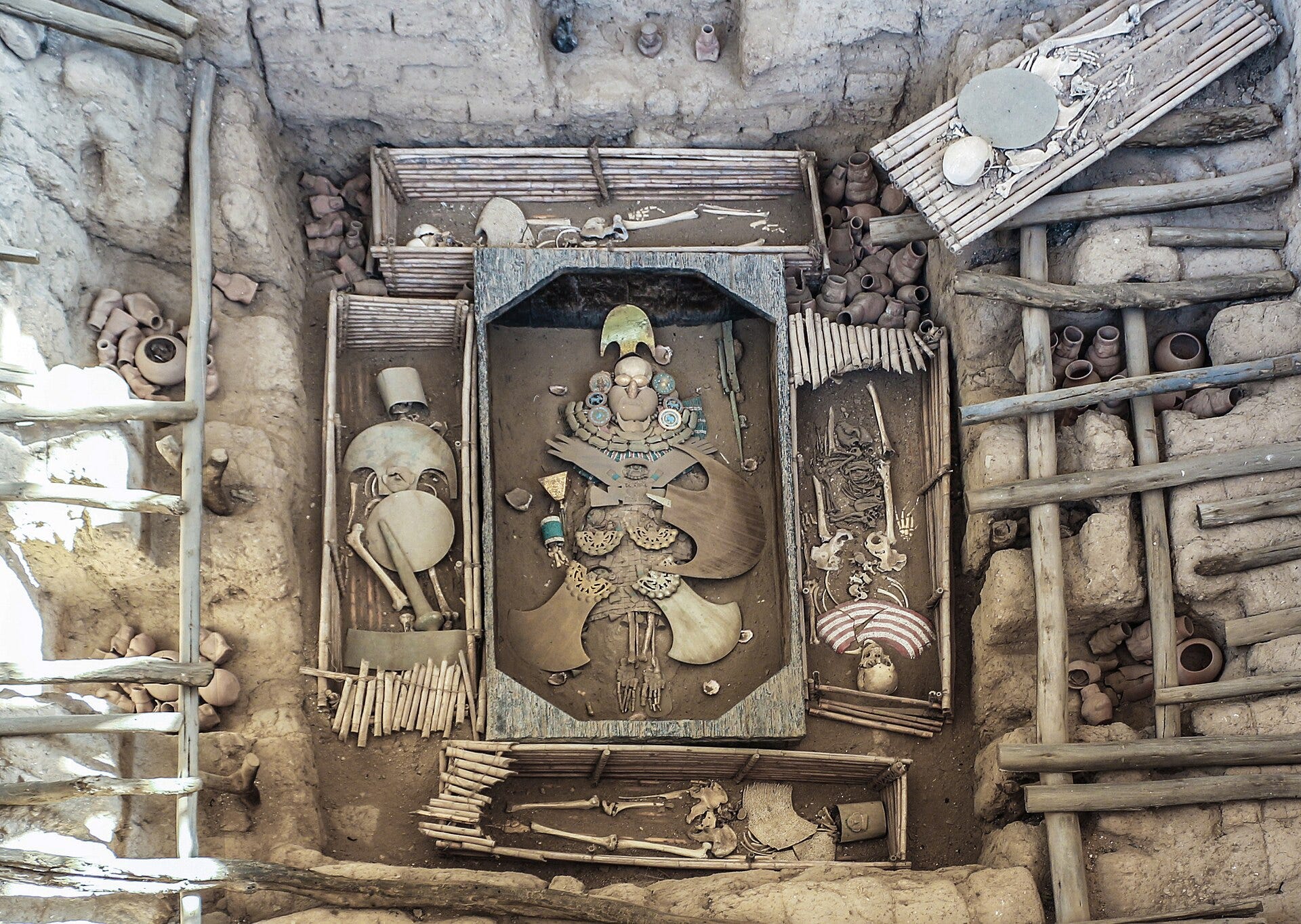
In November 1986, a band of looters led by an unemployed car mechanic named Ernil Bernal began tunneling into an ancient mound near the village of Sipán, in northern Peru. Around February 6, 1987, they found gold beads among the bricks of a buried ceiling. Bernal broke through it, and gold, silver and other ancient objects poured down until he was buried to his shoulders in treasure.
The mound was Huaca Rajada, a pyramid about 60 feet high that stands some twenty miles east of the city of Chiclayo. Its builders were the Moche. These people of Peru's north coast lived there before the Inca and were known for their painted pottery and metalwork.
Over the next nights, the looters filled rice sacks with gold and silver, and they smashed hundreds of clay pots in the search for metal. Then they quarreled over how to split the haul. One of them went to the police.
Officers came to the mound with Walter Alva, the archaeologist in charge of protecting the region's ancient sites, and stopped the looting. Alva then organized an emergency excavation. The looters had emptied one tomb, but the others were almost untouched, and thirteen burials were found in place.
The richest belonged to a man the archaeologists named the Lord of Sipán. He lay with 451 objects of gold, silver, copper and turquoise, and three women and several men had been buried around him.
His grave also solved an old puzzle. Moche artists had painted scenes of sacrifice led by a figure now called the Warrior Priest, and he looked like a character from myth. At Sipán, men had been buried in the same regalia as the painted figure, so the Warrior Priest was a real office held by real people.
The Lord and his treasure are now kept in the Royal Tombs of Sipán Museum, near Chiclayo. Objects that Bernal's band carried away in 1987 still turn up for sale on the international art market.
At a Glance
Found by: Ernil Bernal and his band of looters, then the archaeologist Walter Alva
Date: Around February 6, 1987
Place: Huaca Rajada, near the village of Sipán, northern Peru
What it showed: The Warrior Priest of Moche paintings was more than a character from myth
Where to see it today: Royal Tombs of Sipán Museum, near Chiclayo, Peru
11. Tollund Man (1950)
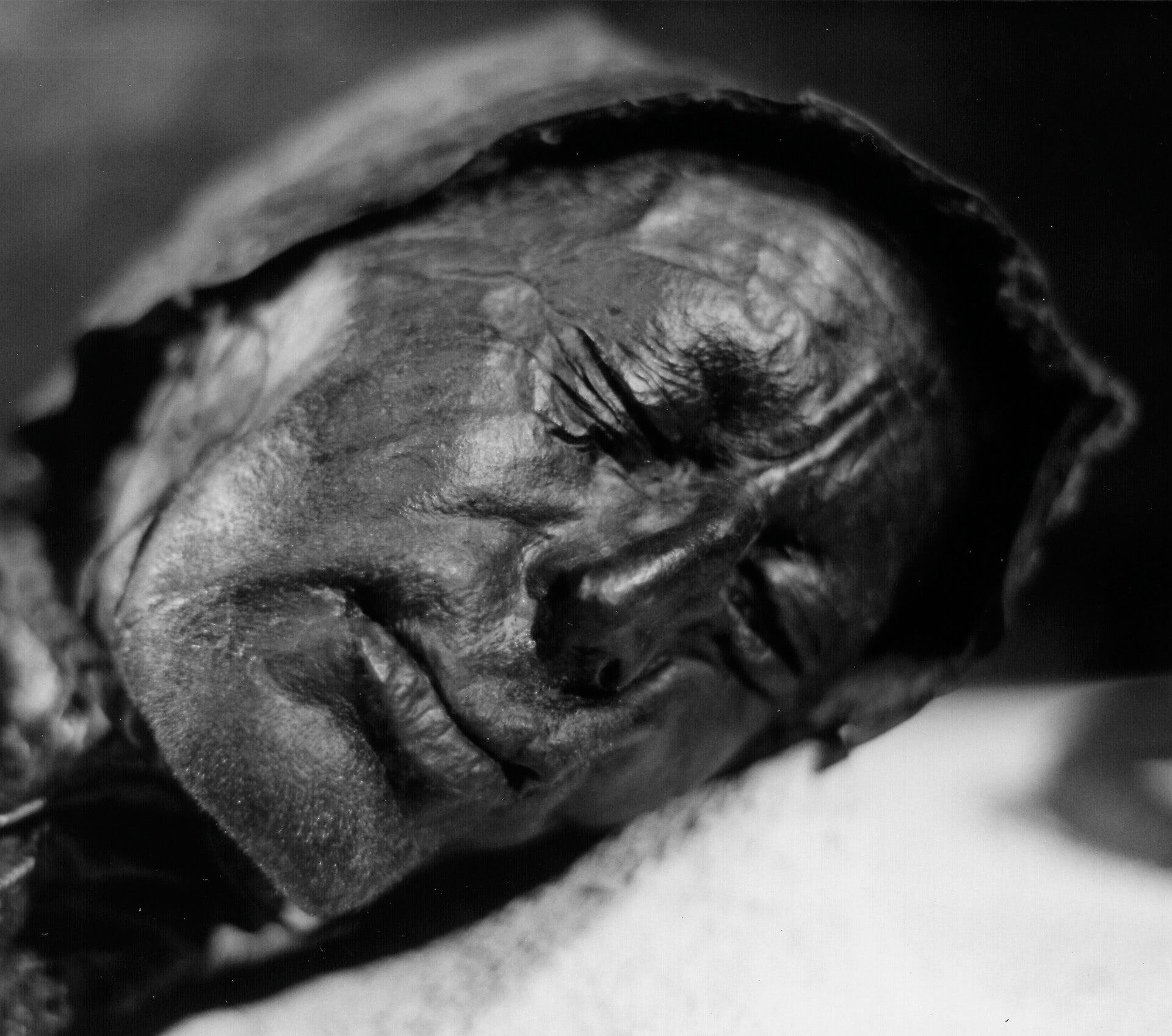
On Saturday, May 6, 1950, a family was cutting peat for fuel in a bog near Silkeborg, in Denmark. In their trench appeared the face of a man who seemed to be asleep, with a rope still tied around his neck. Who was he, and how long had he been lying there?