
In 2021, a museum in Washington tested a tissue sample from a stuffed pigeon that had served the U.S. Army in France in 1918. Army records had listed the bird as a hen for about a hundred years, and the DNA showed a male. Many animals that were famous in their lifetime were preserved the same way after death, and some of those remains have since corrected the legend.

Cool Stories About History is a newsletter to learn history the fun way.
Join free and get:
6 new stories a month, straight to your inbox
The full archive of stories
Comment, ask questions, and chat with other readers
How These Were Chosen
Every animal here was real, had a name and was already famous while it was alive. Myths, characters from books or films, and animals known only as a breed or a species were left out.
The twelve lived across more than two thousand years, from the fourth century BC to 1957.
They climb from the names an American reader is least likely to know to the most famous of all, the first living creature sent into orbit around the Earth.
12. Hanno, the Pope's Elephant (1514)
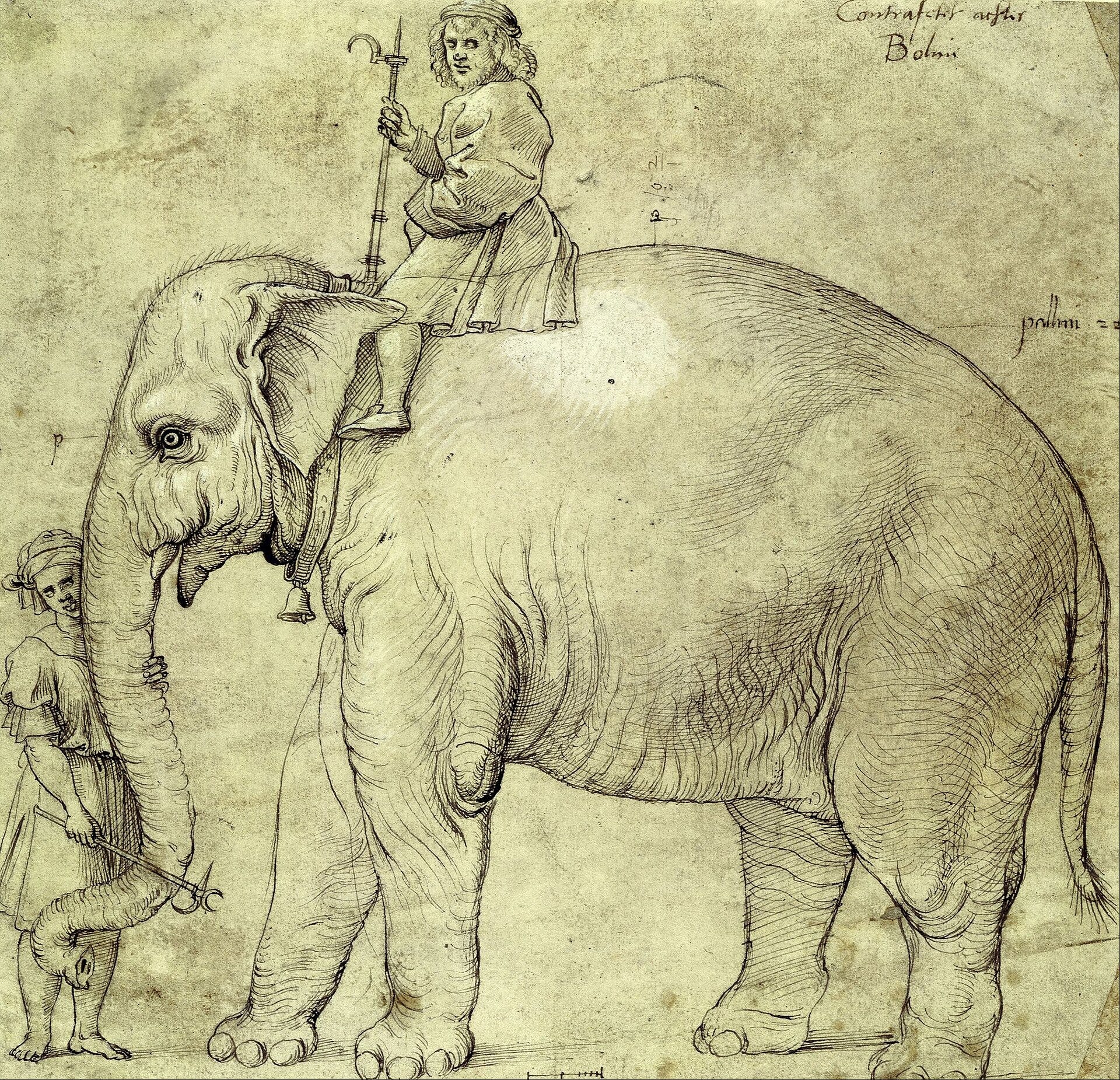
In 1514, in Rome, an elephant named Hanno dropped to his knees before Pope Leo X and bowed his head low. Dressed in ornate robes, with a silver tower on his back, he then trumpeted three times and sprayed water over the crowd, the pope included.
Hanno was a young Indian elephant, about four years old, and he was a diplomatic gift. King Manuel I of Portugal had sent him to the pope with a cheetah, leopards and a Persian horse. The king wanted Leo's support while Portugal fought to control the sea routes to India.
The elephant had landed that winter at Porto Ercole, on the Italian coast, about 70 miles from Rome. The crowds on the road grew every day. One night his handlers let him sleep in a town square, so that people would not break into his stable to see him.
"The sight of this quadruped provides us with the greatest amusement," Leo wrote to the king. In 1516, two years after his arrival, Hanno fell ill. His doctors decided he was constipated and gave him a purgative laced with gold, a common remedy at the time, and it quickly killed him.
The pope wrote a long epitaph and ordered a memorial painting from the painter Raphael. So much grief for an animal made Leo a target, and a satirist published a mock will in the elephant's name. Later, when the German monk Martin Luther broke with Rome, his first followers used Hanno to attack the pope's lavish spending.
Hanno was buried under the Belvedere Courtyard, inside the Vatican. In February 1962, workers putting in a heating and cooling system there dug up huge bones and thought they had found a dinosaur. The Vatican Library had them examined, and they belonged to an elephant.
At a Glance
Who: Hanno, an Indian elephant sent by King Manuel I of Portugal to Pope Leo X
Dates: Arrived in Italy in the winter of 1514, about four years old, died in 1516
Place: Rome and the Vatican
Known for: Kneeling before the pope, trumpeting three times and spraying the crowd with water
What became of him: Buried under the Belvedere Courtyard, his bones dug up by workers in February 1962
11. Martha, the Last Passenger Pigeon (1914)
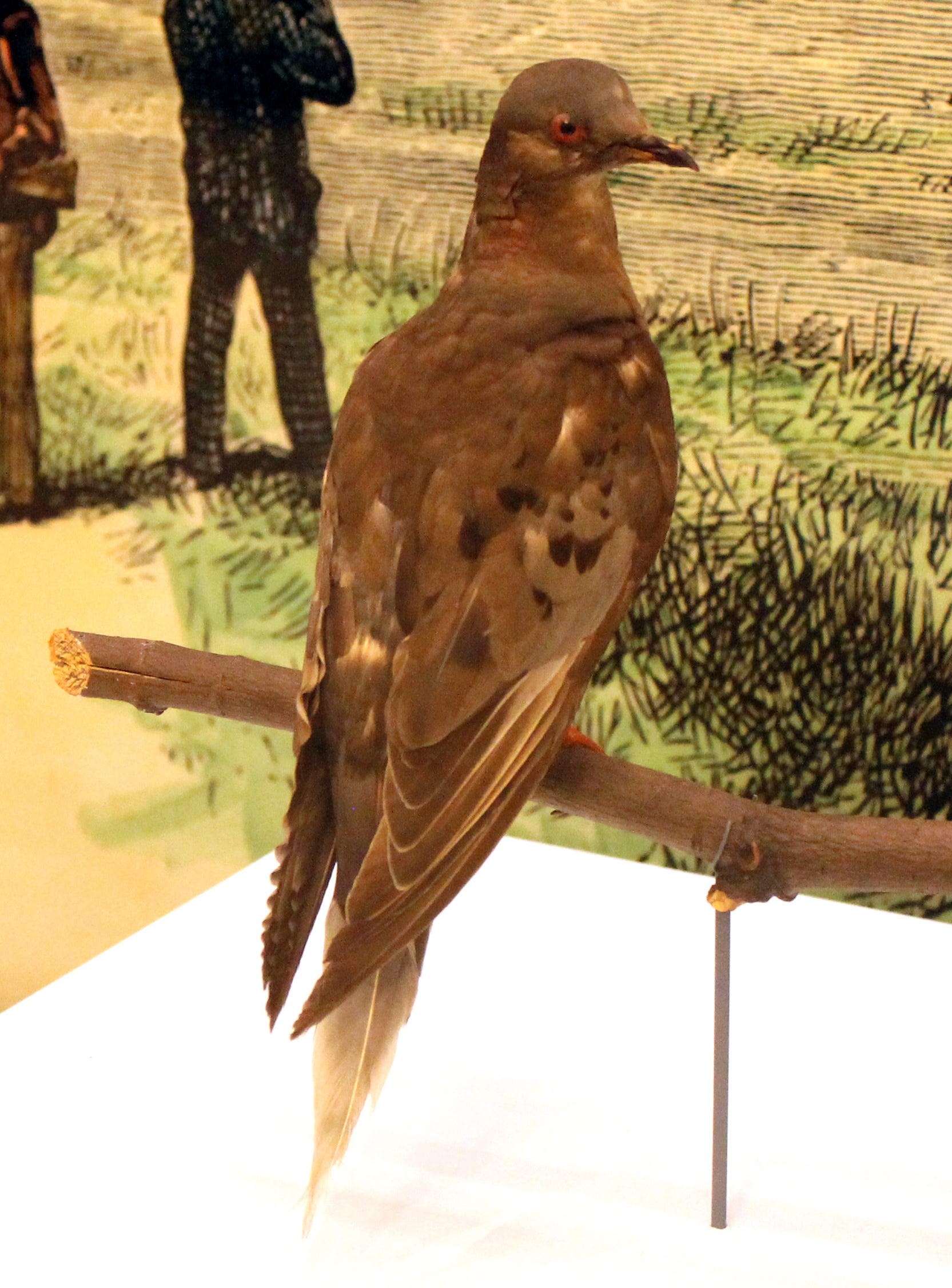
On the afternoon of September 1, 1914, a pigeon named Martha was found dead on the floor of her cage at the Cincinnati Zoo. Her body was frozen into a 300-pound block of ice and sent by fast train to the Smithsonian in Washington. For years the zoo had offered $1,000 to anyone who could bring her a mate, and nobody ever collected it.