
Water still flows into the Trevi Fountain in Rome through a channel that Roman workers dug more than 2,000 years ago. The name of the man behind it survives. Most ancient inventions reach us without a maker's name. A buried object, a ruin or a few lines by an ancient author tell where they came from, and some kept their secret until a modern laboratory tested them.
Cool Stories About History is a newsletter to learn history the fun way.
Join free and get:
6 new stories a month, straight to your inbox
The full archive of stories
Comment, ask questions, and chat with other readers
How These Were Chosen
An invention here is a device, a material or a method that solves a practical problem, such as moving water, measuring time or writing numbers. Inventions older than the first cities, such as stone tools, were left out.
Each of the twelve is tied to a place and a date by a surviving object, a site or an ancient written account. Often that evidence is only the oldest example found so far. All twelve fall between about 3300 BC and AD 400, and they run from the least familiar to an American reader to the best known.
12. The Tunnel of Eupalinos (around 530 BC)
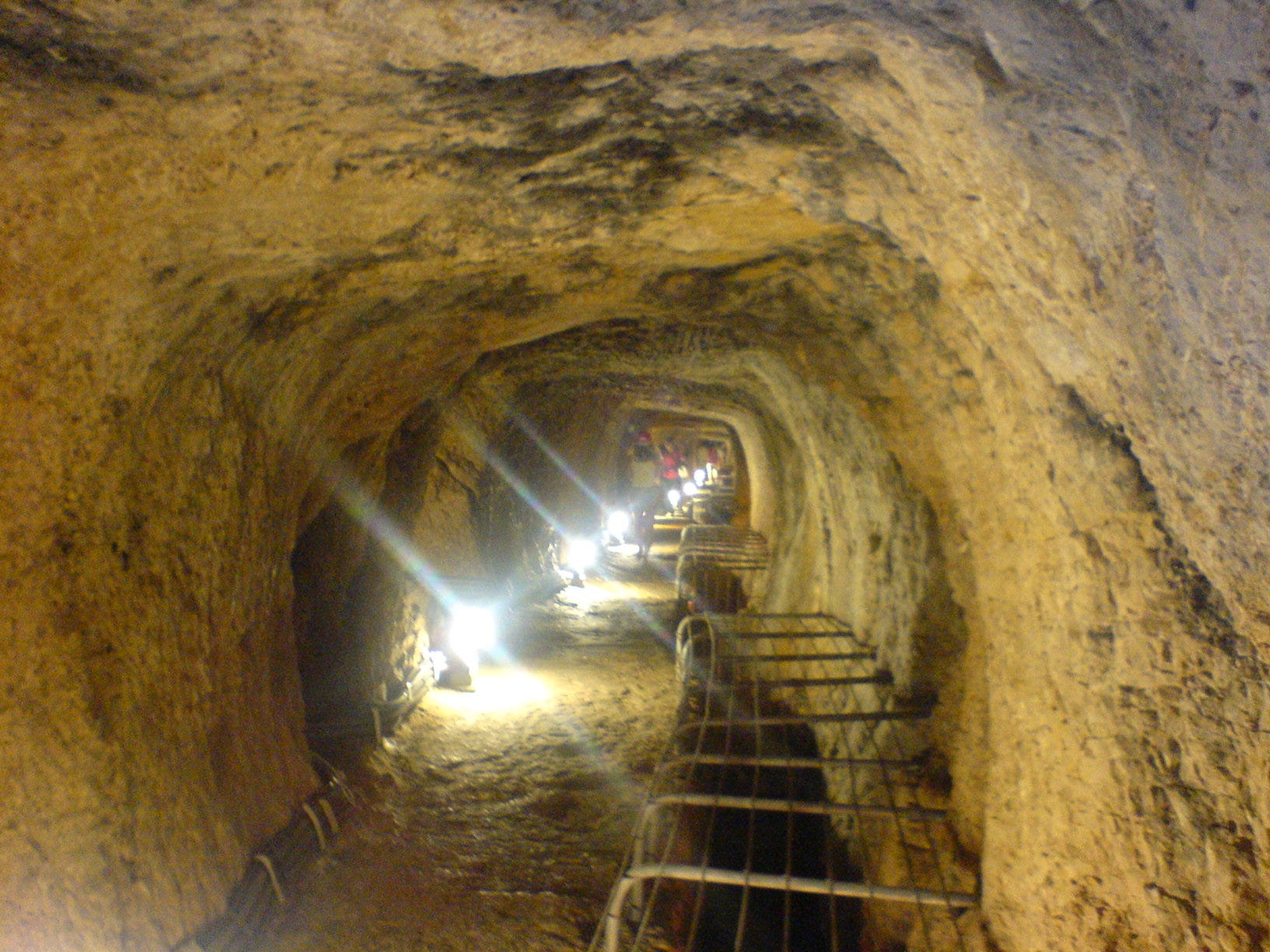
Two crews of workers are cutting into a mountain on the Greek island of Samos from opposite sides, and they are trying to meet in the middle. If their aim is off, the two tunnels will pass each other in the dark. The man who planned this work, around 530 BC, was Eupalinos of Megara, an engineer from the Greek mainland.
Samos lies just off the coast of Turkey, and its capital needed fresh water. The spring rose at Agiades, on the far side of a ridge about 900 feet high called Mount Kastro. A channel buried inside the mountain had a second advantage, because an army besieging the city could not cut it.
Eupalinos had the tunnel dug by hand from both ends at once, with no vertical shafts sunk from the surface along the way. Without shafts, nobody could check the route from above, and the crews had to steer by measurement alone. It is the first known deep tunnel built that way.
The floor was kept flat, because a tunnel climbing toward the diggers would have collected groundwater at the face where they worked. The water ran instead in a separate trench, about 2 feet wide, cut along one side. That trench falls gently along the whole route and reaches 30 feet below the floor at its deepest.
Eupalinos planned a straight line with geometry and survey lines, and bent it only to avoid bad rock. Near the meeting point, he had the crews change direction so that their tunnels would cross instead of running side by side in the dark. After nearly ten years, the two tunnels met almost at a right angle, only 2 feet apart in height.
The finished tunnel runs about 3,400 feet (1,036 meters), and water flowed through it to the city for roughly 1,200 years. Since 1992 it has been part of a UNESCO World Heritage site, with the ruins of the ancient port and a great temple of the goddess Hera. Visitors can walk through its lit southern half today.
At a Glance
Invention: A water tunnel dug from both ends through a mountain
Who: Eupalinos of Megara, engineer
Date: Begun around 530 BC, nearly ten years of work
Place: Mount Kastro, on the Greek island of Samos
Where to see it today: The tunnel itself, with its southern half open to visitors
11. Rubber in Ancient Mexico (by 1600 BC)
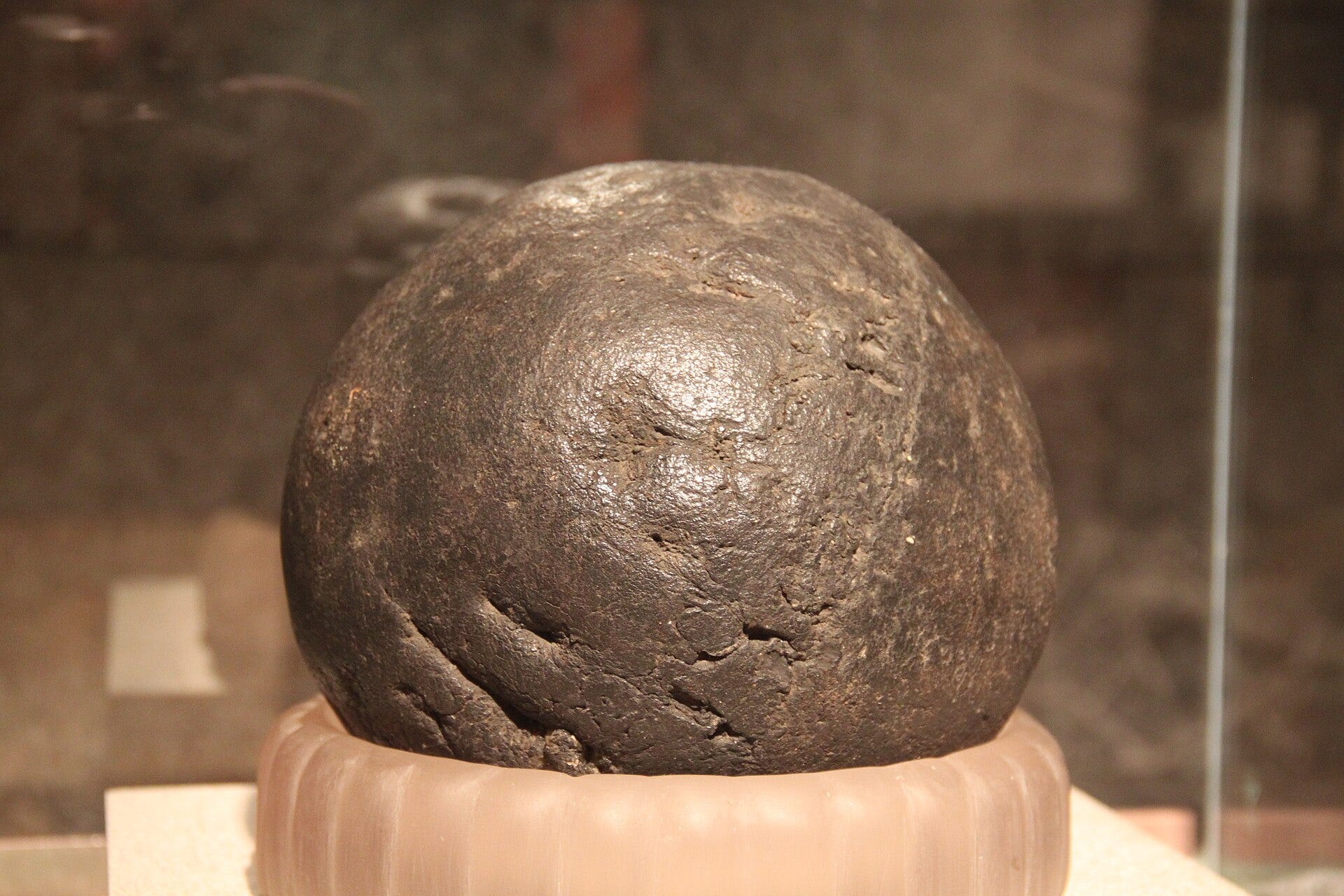
In 1997, the archaeologist Dorothy Hosler of the Massachusetts Institute of Technology traveled to Chiapas, in southern Mexico, for the milky sap of a rubber tree. On its own, that sap dries into a brittle lump that could never bounce, so she also gathered the juice of a morning glory vine. Could that vine explain how people in ancient Mexico made rubber more than 3,000 years before Europe?