
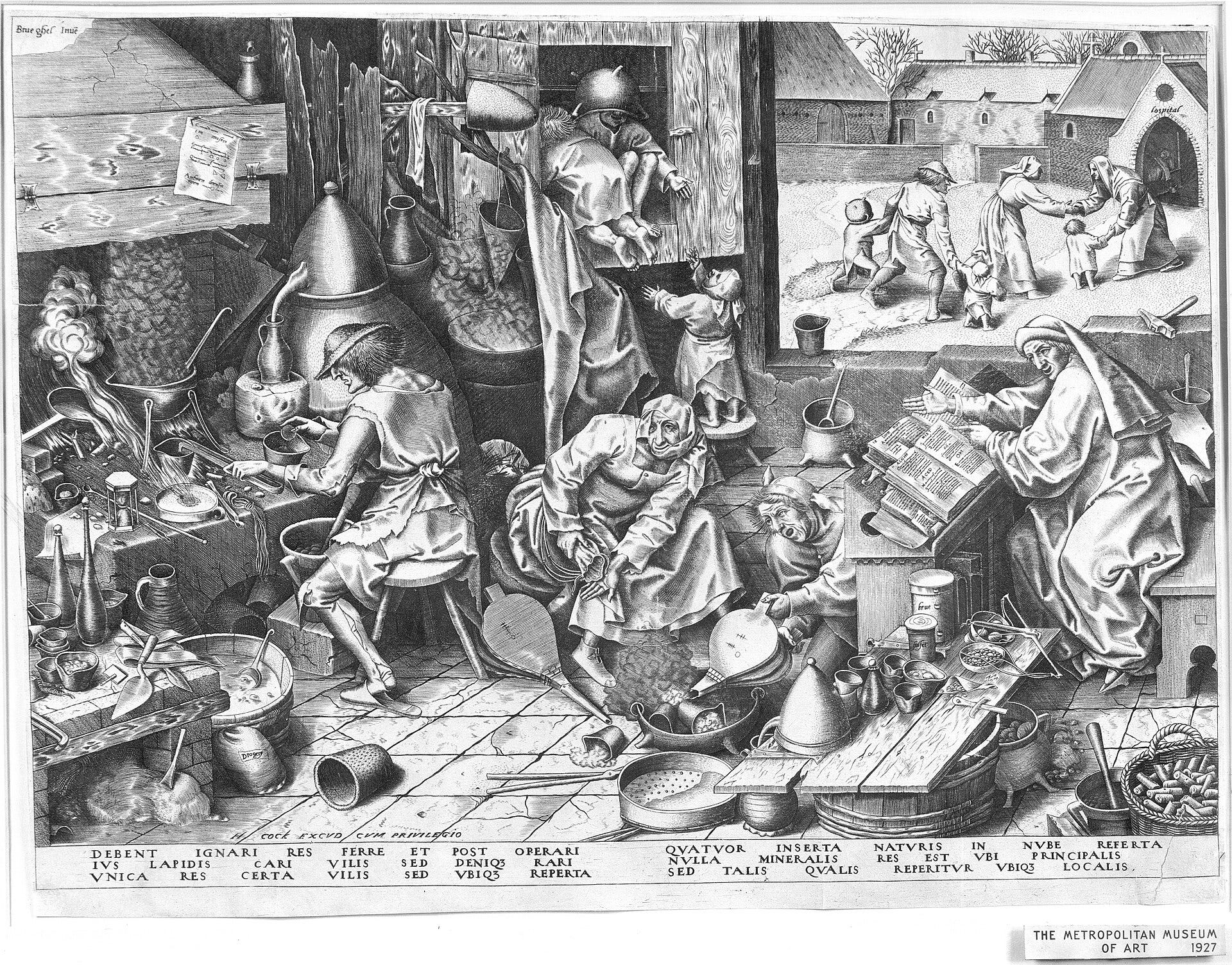
For more than a thousand years, alchemists hunted for what they themselves called "a stone which is not a stone." This philosopher's stone was supposed to turn lead or copper into gold, and no one ever made it. Some of the hunters lost their money or their freedom in the attempt. A few of them, while looking for gold, found something real that is still in use.
Cool Stories About History is a newsletter to learn history the fun way.
Join free and get:
6 new stories a month, straight to your inbox
The full archive of stories
Comment, ask questions, and chat with other readers
How These Were Chosen
Alchemy was the old art of changing ordinary metals into precious ones and of brewing elixirs against disease and death. Eleven of the twelve people here practiced it. The most famous of them became an alchemist only in a legend born long after his death.
They span more than 1,400 years, from Roman Egypt to Saxony in 1719. Four never lived in Europe, and a fifth came to London from Harvard. The names run from ones few Americans have heard to one that every Harry Potter reader knows.
12. Hennig Brand (1669)
One night in 1669, in the German city of Hamburg, a physician named Hennig Brand heated a black tar in the hottest fire his furnace could give. He was hunting for the philosopher's stone, and the tar on his fire had come from urine.
Over two weeks, Brand had boiled down about 1,200 gallons of it. That night he mixed the residue with sand and charcoal before he set it on the fire.
The heating went on for many hours. Then a white vapor rose from the mixture and condensed into thick, waxy drops that glowed brightly and went on glowing long after they formed.
Nobody had ever seen such a substance, and Brand named it phosphorus, a word for things that give off light. Sure that he now held the stone itself, he told no one.
No gold came of it. When his money ran out, Brand sold his phosphorus to a man named Daniel Kraft, who made a business of showing it off in cities across Europe, London among them.
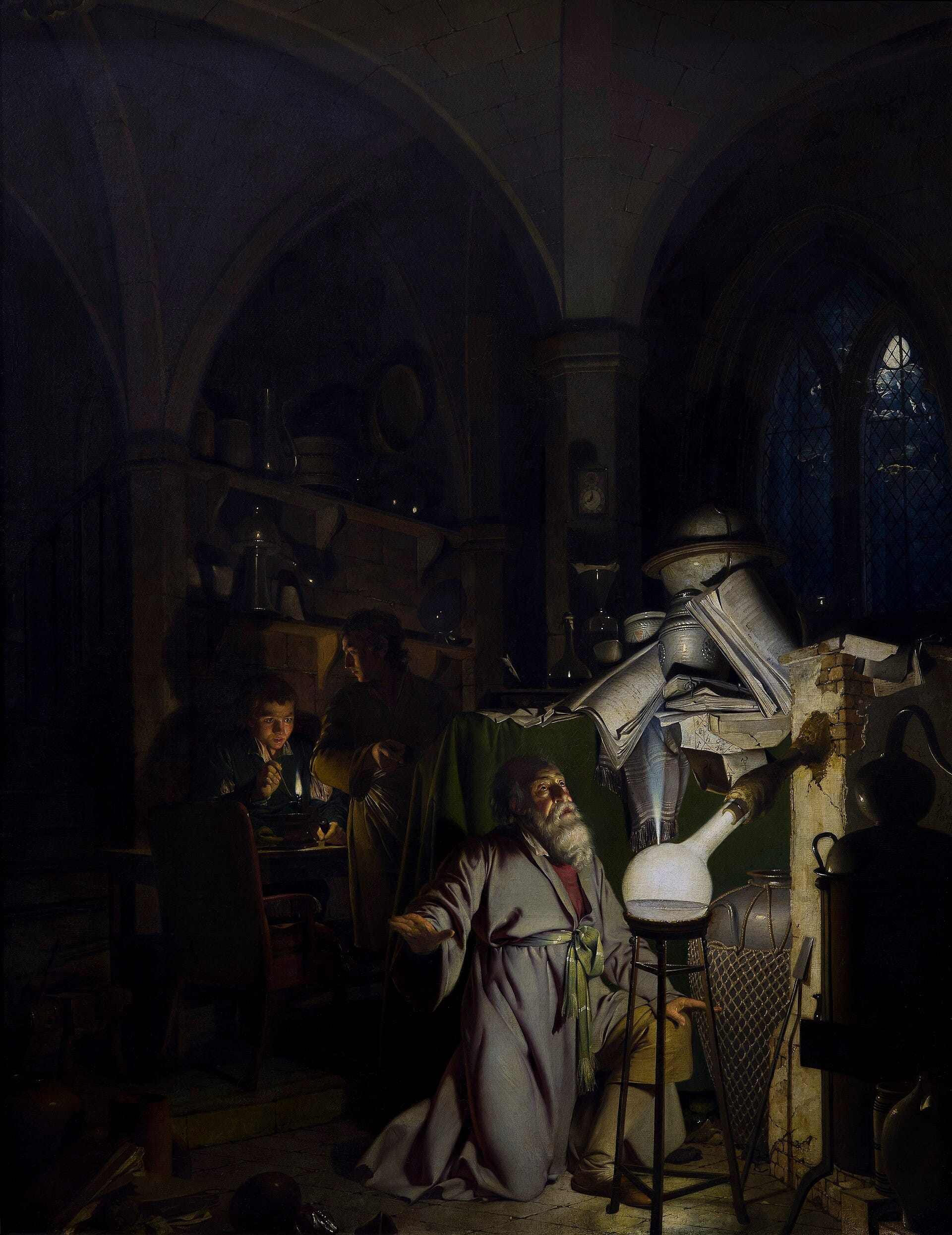
Within 50 years, apothecaries were selling phosphorus, and it had become the star of public demonstrations. Within a century it was in chemistry textbooks, and in 1771 the English painter Joseph Wright of Derby put Brand's night on canvas as The Alchymist.
At a Glance
Who: Hennig Brand, a German physician
Date: 1669
Place: Hamburg, Germany
Looking for: The philosopher's stone
What he found: Phosphorus, made from about 1,200 gallons of boiled-down urine
About This Alchemist
Who discovered phosphorus?
Hennig Brand, a German physician, made it in Hamburg in 1669 while trying to make the philosopher's stone. He boiled down about 1,200 gallons of urine and heated the residue until a glowing vapor condensed into drops.
11. Johann Friedrich Böttger (1701 to 1719)
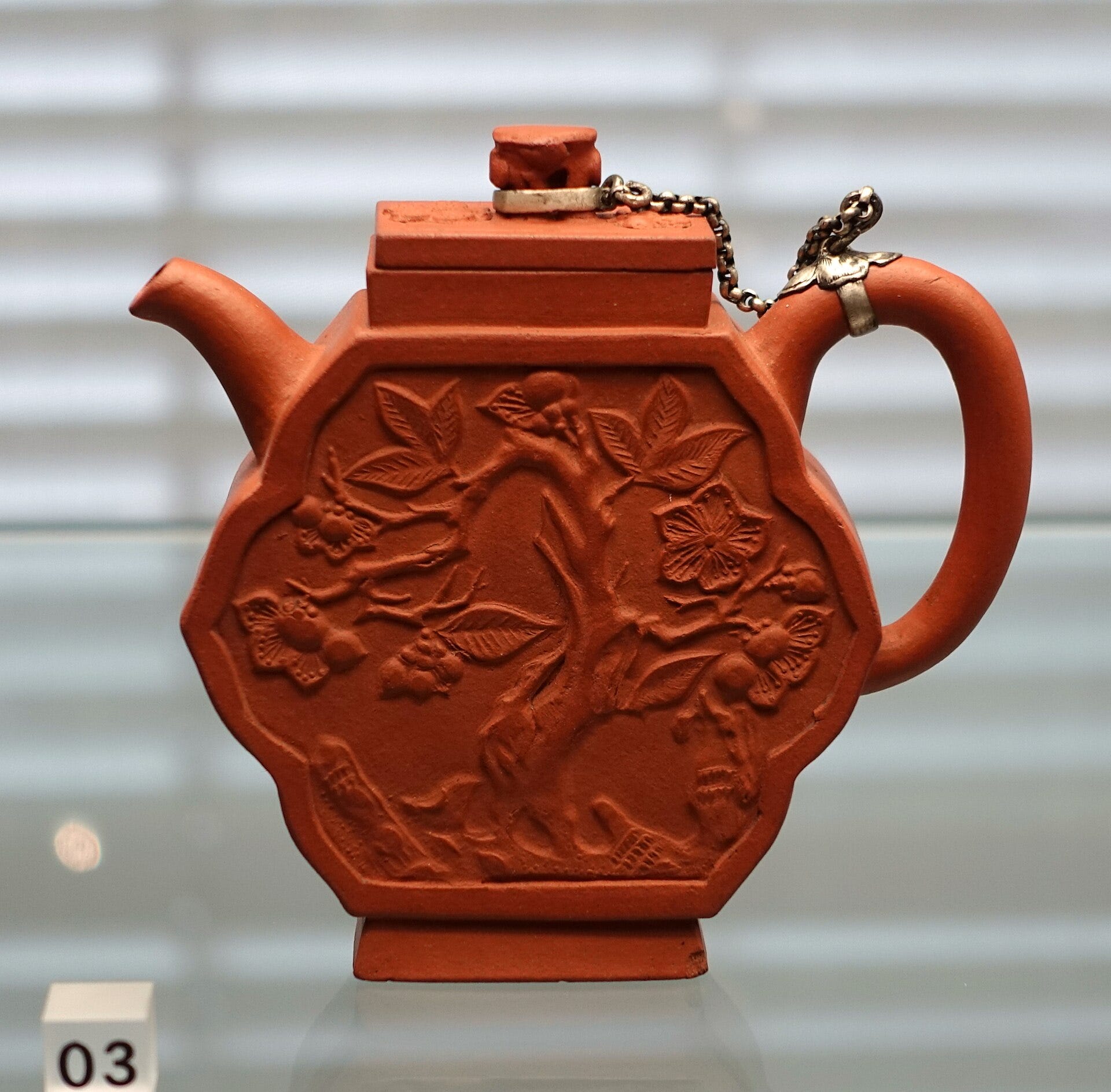
Johann Friedrich Böttger was an apothecary's apprentice in Berlin who bragged that he knew the secret of making gold. In 1701 the claim reached two kings, and the second of them, Augustus the Strong of Saxony, locked him away to wait for the gold. What could a prisoner offer when his only way out was a secret he never had?