

This is a preview. Paid subscribers get the full story.
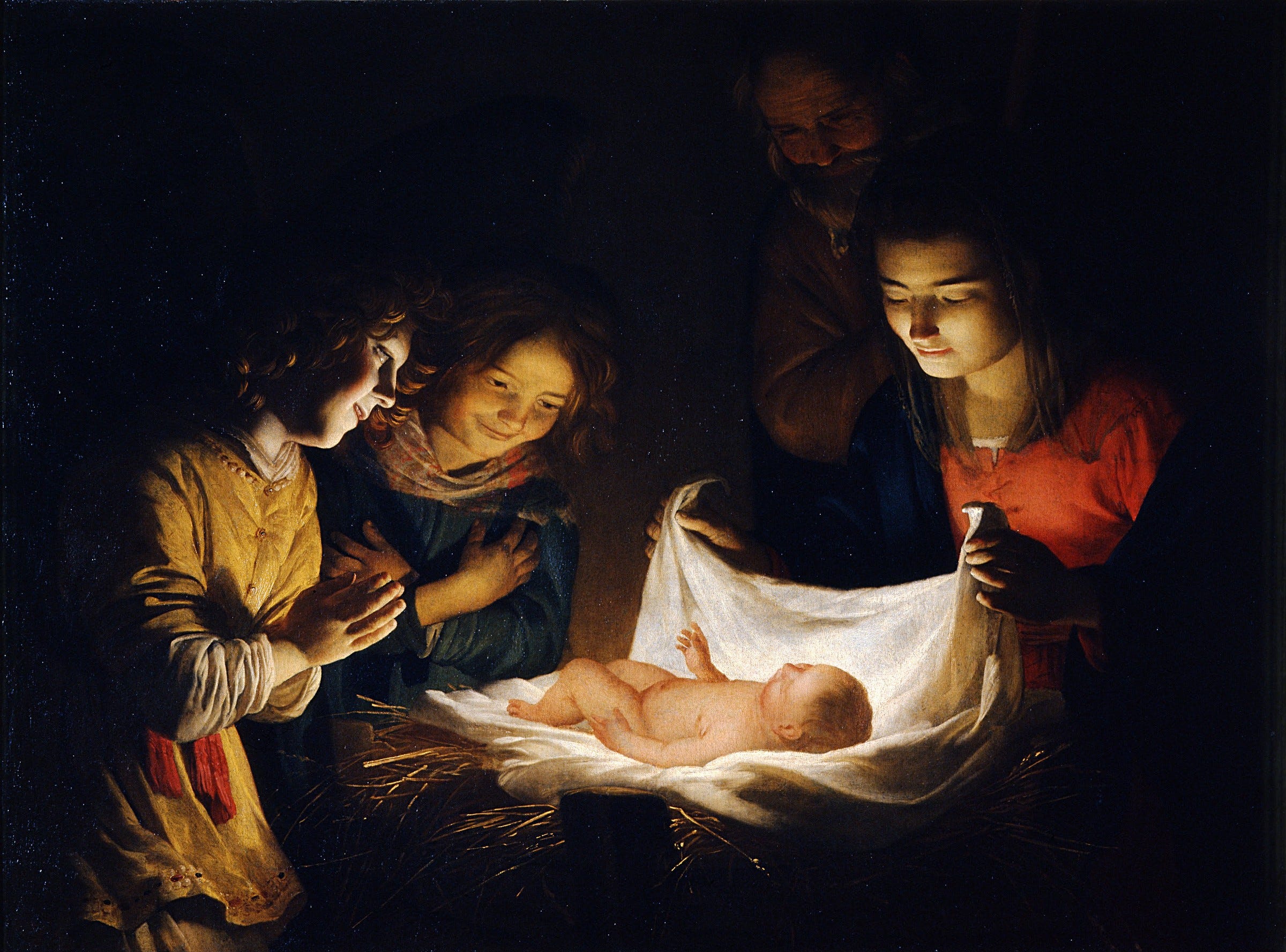
In a few days, many of you will lift the nativity scene out of its box and set it up at home, on a sideboard or under the tree. The ox and the donkey, the shepherds, the straw. And at the center, the Holy Family.
Most people picture it as three figures: Joseph the father, Mary the mother, and Jesus, their only son.
Was Jesus really an only child?
The Bible tells a different story.
The New Testament, the second part of the Bible, brings together 27 texts written by the first Christians, nearly all of them in the first century. It opens with the four Gospels: Matthew, Mark, Luke, and John. Each, in its own way, tells of Jesus's teaching, his death, and his resurrection.
The nativity scene comes from the Gospel of Luke, which tells the story of the child's birth: he was laid in a manger because there was no room for his parents at the inn. The Gospel of Mark, by contrast, says nothing about the birth or childhood of Jesus. Its story begins when he is already a grown man.
Jesus grew up in Nazareth, a village in Galilee, in the north of the country, where he worked as a carpenter. Then he left the village to preach across the region, and disciples began to follow him.
One Sabbath, the Jewish day of rest, he returns to Nazareth and speaks in the synagogue. Many in the congregation have known him since he was a boy. They are astonished by his wisdom, and they wonder where he, the village craftsman, could have gotten it:
"Is not this the carpenter, the son of Mary, the brother of James, and Joses, and of Juda, and Simon? and are not his sisters here with us?"
Four brothers, named one by one. And sisters, living right there in the village.
The line appears in chapter 6 of the Gospel of Mark, in every Bible, whether Catholic, Orthodox, or Protestant.
Jesus, then, would have had brothers and sisters.
For centuries, those brothers and sisters divided Christian scholars.
The Lord's Brother
The verse from Nazareth is no stray detail tucked into a corner of the Gospel. The brothers of Jesus turn up again after his death, in the book that follows the four Gospels and tells the story of the first Christians: the Acts of the Apostles. A few weeks after the crucifixion, in Jerusalem, the apostles, the closest companions of Jesus, gather to pray, and the book specifies who prays with them: a few women, Mary the mother of Jesus, and his brothers.
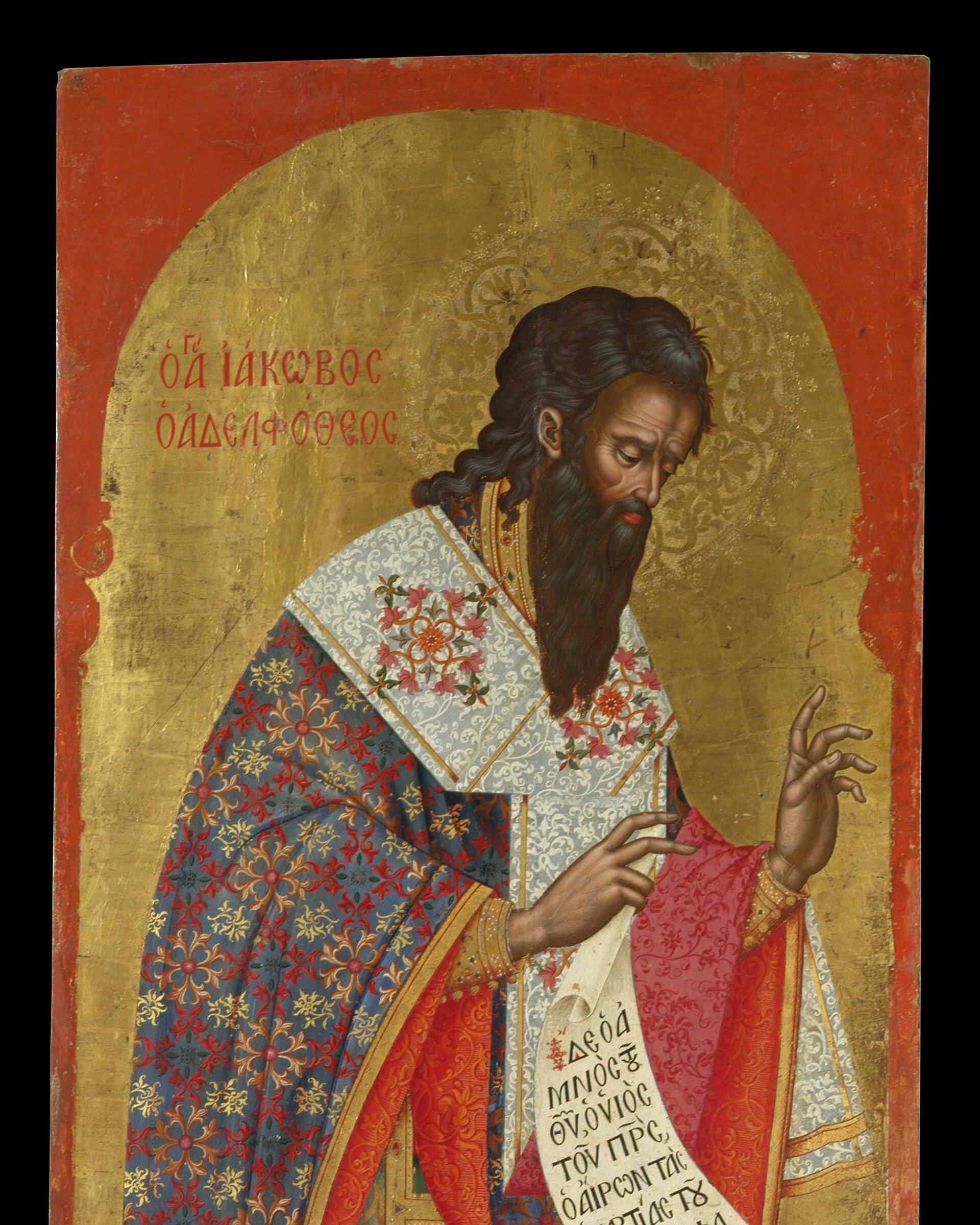
Among the brothers gathered around Mary, one becomes, a few years later, the leader of the Christians in Jerusalem: James. Paul, the most famous Christian missionary, whose letters fill much of the New Testament, met him. In one of those letters, Paul describes his first visit to Jerusalem, where he stayed fifteen days with Peter, the first of the apostles, and he adds:
"But other of the apostles saw I none, save James the Lord's brother."
When Paul writes "the Lord," he means Jesus. By Paul's own account, then, James is the brother of Jesus.
For a historian, this testimony has one weakness. The Gospels, Acts, and the letters of Paul are Christian texts, written twenty to seventy years after the death of Jesus by men who wanted to convince their readers that he had risen from the dead. They record a faith as much as they record facts. To find out whether Jesus really had brothers, you need evidence from somewhere else, left by a writer who had no reason to invent them.
That evidence exists. Josephus was a Jewish historian from Jerusalem, and he was not a Christian. Around the year 93, in Rome, he published a vast history of his people. In that history, Jesus appears only twice. The second time, Josephus describes how, in the year 62, the high priest in Jerusalem had several men condemned and stoned. Josephus names only one of them:
"the brother of Jesus, who was called Christ, whose name was James."
Nearly all historians regard this sentence as authentic.
So a historian who was not a Christian also names a brother of Jesus. The Gospels, Paul, and Josephus all use the same word: brother.
And yet the Catholic Church and the Orthodox Churches teach that Mary remained a virgin all her life. For nearly fifteen centuries, the councils, the great assemblies of bishops that define doctrine, have called her "ever virgin," and both Churches hold that Jesus was her only child.
Even Luther, the German monk who broke with Rome in the sixteenth century and rejected much of its teaching, held on to this belief. In his sermons, he says it plainly: the Virgin Mary had no child but Jesus.
The Gospels name four brothers and speak of sisters. The Churches hold that Mary had only one son.
So did Jesus really have brothers and sisters?
You're about to discover:
Why the brothers of Jesus disappeared from the nativity scene.
Who the mother of the brothers of Jesus was.
The word the New Testament never uses for James.
How the Church explains these brothers and sisters.
Who the brothers and sisters of Jesus really were.
Paid subscribers get the full story.
You’ll also get:
6 new stories / month
The full archive
Comment, ask questions, DM me anytime
iPhone user? Subscribe at coolstoriesabouthistory.com, not via the app. Apple adds +30% to the price.