

Learn History the fun way.
This is a preview. Paid subscribers get the full story.
You’ll also get:
6 new stories / month
The full archive
Comment, ask questions, DM me anytime
iPhone user? Subscribe at coolstoriesabouthistory.com, not via the app. Apple adds +30% to the price.
On the evening of October 29, 2026, the British tabloid the Daily Mail posted this headline on X: "Written account of Jesus rising from the dead identified in 2,000-year-old manuscript, study suggests." Within a few days, 4.8 million people had seen it in their feeds.
The study behind the story is the work of a Spanish researcher. It concerns a few lines that the Jewish historian Josephus wrote nearly 2,000 years ago.
Do we finally have historical proof that Jesus rose from the dead?
A Jerusalem Priest
To answer that, we first have to meet Josephus. His life began where Jesus's ended. He was born in Jerusalem a few years after the crucifixion, in the very city where Jesus died.
At the time, the land of the Jews, roughly present-day Israel, was a province of the Roman Empire. In the middle of Jerusalem stood the Temple, the holiest site in Judaism. Josephus grew up in one of the great priestly families that served there, and later became a priest himself.
He was not yet 30 when the Jews rose up and drove the Romans out of Jerusalem. Rome dispatched a general named Vespasian to take the country back with his legions. To stop him, the leaders of the revolt put the young priest in charge of defending Galilee, the northern region where Jesus had grown up.
And that was where Vespasian struck. Josephus and his soldiers holed up in Jotapata, a small fortified town perched on a hill, and held out for 47 days. In the year 67, the Romans broke into the town and massacred its people.
The Pit
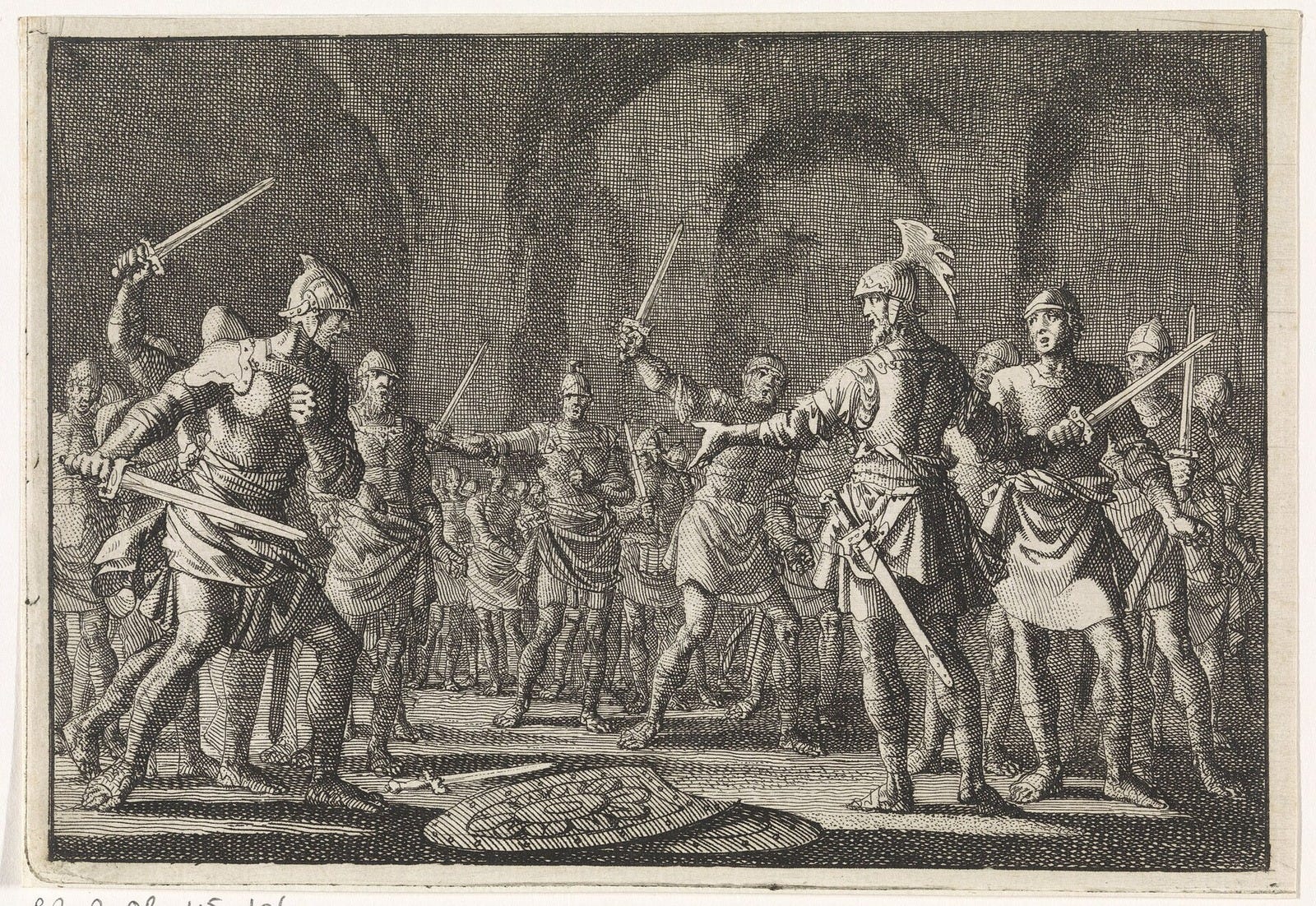
Josephus, meanwhile, hid at the bottom of a pit with some 40 of the town's leading men. The Romans found them and promised to spare his life if he surrendered. His companions would rather kill themselves than be taken alive, and they threatened to kill Josephus if he gave himself up.
But in Jewish belief, suicide is a sin. So Josephus proposed drawing lots. Each man whose name was drawn would be killed by the man beside him, so that no one would have to take his own life. One by one they fell, until only two were left, Josephus and one other man. The two of them climbed out of the pit together. Josephus credits his survival to luck, or to the will of God.
Brought in chains before Vespasian, he announced that God had sent him with a message: "You are Caesar and emperor, you and your son." Caesar was the title of the Roman emperors, and Vespasian was only a general. Two years later, his soldiers proclaimed him emperor. The prophecy had come true, and Vespasian set his prisoner free.
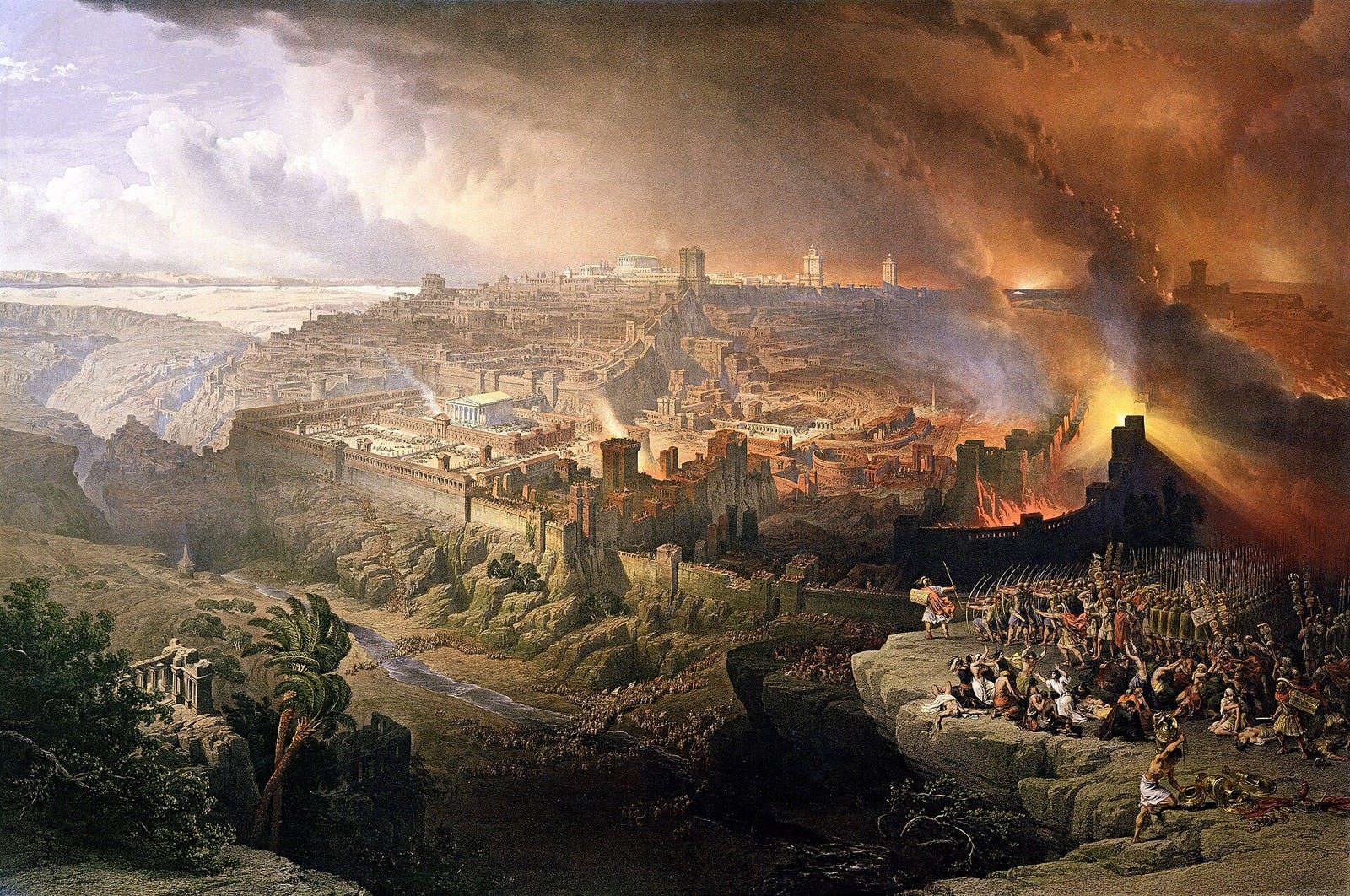
Josephus did not go back to his own people. When the Romans marched on Jerusalem to retake it, he was with them, and he watched from the winning side as the Temple where he had once served went up in flames. To the Jews, he was now a traitor.
The emperor brought him to Rome and gave him a house, a pension, and Roman citizenship. Josephus spent the rest of his life there writing, first the story of the war, then the entire history of his people.
Ten Lines
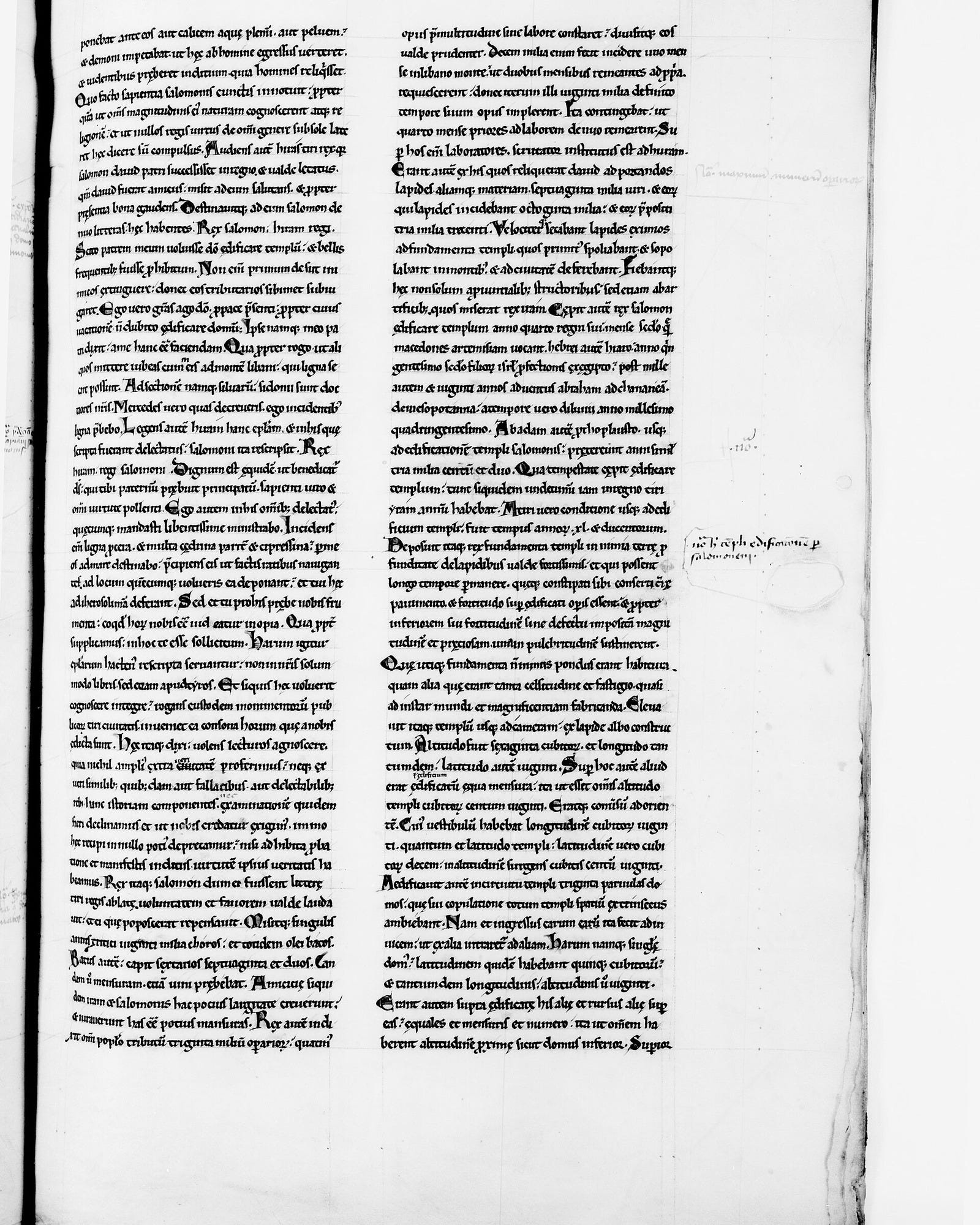
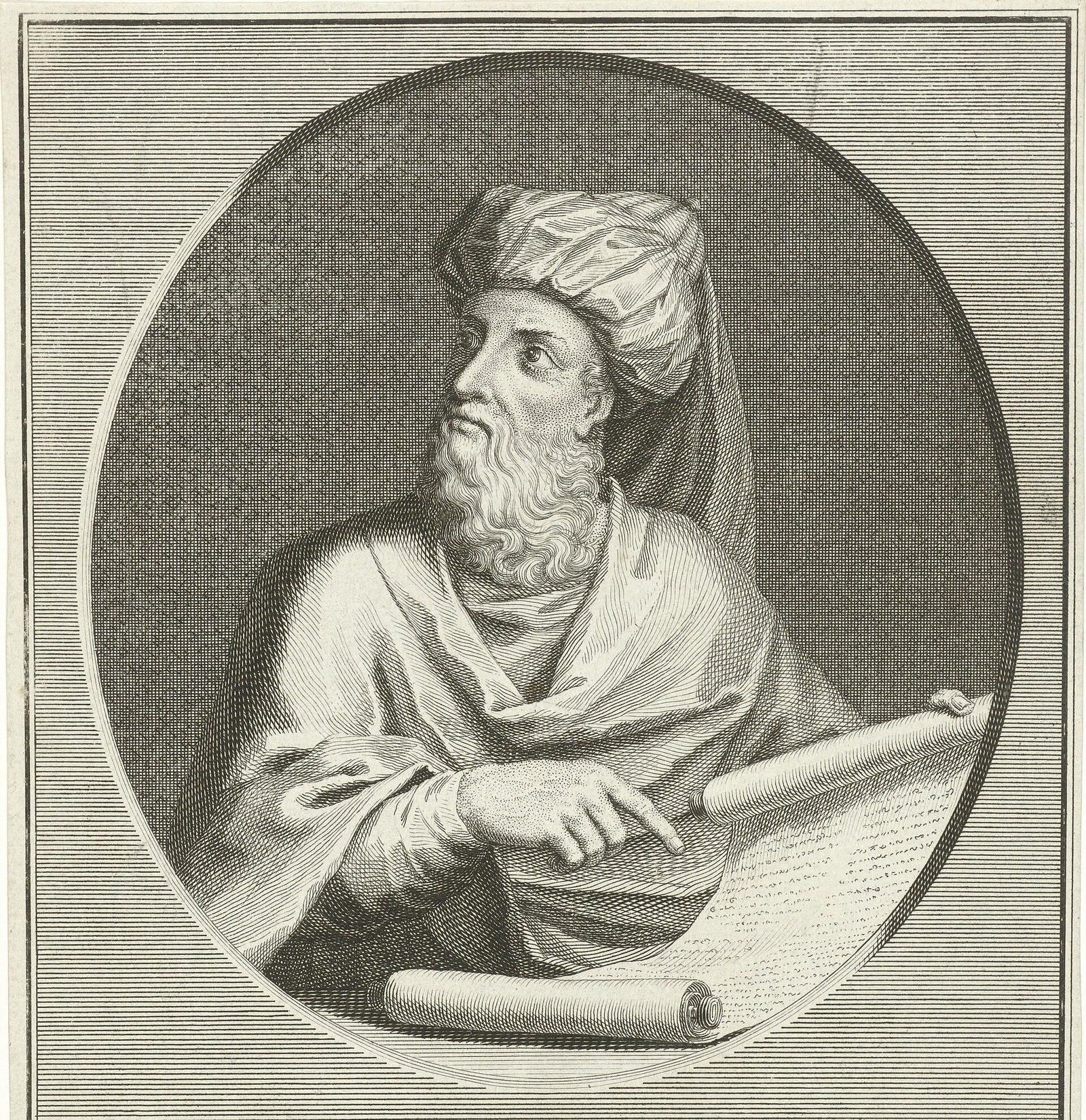
He finished that history around the year 93, writing in Greek, the language of the Empire's educated class. Pontius Pilate governed Judea, the region around Jerusalem, for Rome. When the history reaches Pilate's years in office, Josephus gives Jesus about ten lines. These are the lines behind the Daily Mail headline.
"About this time there lived Jesus, a wise man, if indeed one ought to call him a man. For he performed extraordinary deeds, and he taught people who receive the truth with pleasure. He drew to himself many Jews, and many non-Jews as well. He was the Christ.
When Pilate, on the accusation of the leading men among us, had condemned him to the cross, those who had loved him at first did not cease to do so. For he appeared to them on the third day, alive again, as the prophets of God had foretold, along with a thousand other wonders about him.
And to this day the tribe of Christians, named after him, has not died out."
To make sense of these ten lines, you need to understand two terms.
First, the Christ. For centuries, the Jews had been waiting for a savior, a king whom God would choose and send to them. In Hebrew they called him the Messiah. In Greek, the language Josephus wrote in, the title became Christ. Christ is not Jesus's last name. To call someone the Christ is to claim that he is the one God has sent, the man an entire people has been waiting for. Christians, who believe this of Jesus, take their name from that title.
Next, the third day. Jesus died on a cross. Christians believe that he came back to life on the third day after his death and showed himself to his disciples. That is the resurrection. When Josephus writes "he appeared to them on the third day, alive again," he is describing the resurrection.
And that is what makes the paragraph so valuable. The other accounts of the resurrection were all written by Christians, starting with the Gospels, the four books of the Bible that tell the story of Jesus's life. They are works of faith, and historians read them with caution, because their authors were out to persuade.
Josephus, though, was never a Christian. If this paragraph really is his, it is the only first-century account of the resurrection that does not come from a believer.
Two Sentences
The two sentences we have just unpacked are exactly the ones that cause trouble.
The first is "He was the Christ." In other words, Jesus was the savior the Jews were waiting for. But Josephus was a Jewish priest, and nothing in his life, or in the thousands of pages he wrote, suggests that he ever saw Jesus that way. It is hard to see why he would say so here, in passing.
The second is "For he appeared to them on the third day, alive again." Here Josephus presents the resurrection as fact, without a single caveat. Coming from him, that is just as surprising.
In his two most striking sentences, the only non-Christian writer to recount the resurrection sounds like a believer. Something doesn't add up.
Two explanations come to mind. Either Josephus really did write these two sentences, or someone else slipped them in later. For more than 400 years, many scholars have leaned toward the second.
The idea is hardly far-fetched. Josephus's original, written in his own hand in Rome, has been lost, like nearly every original from antiquity. To survive the centuries, a book had to be copied, then the copy copied in turn, and any copyist could skip a word, change another, or add a sentence.
Of course, someone had to want to copy it in the first place. Jews were not about to copy the books of a man they considered a traitor. The traitor's books survived thanks to Christians, above all monks, who kept and copied them because Josephus writes about Jesus in them.
The paragraph has come down to us through them, both in Josephus's Greek and in translations that other Christians made into several languages. The oldest Greek copy of Josephus's book was made nearly 1,000 years after his death. In all that time, the paragraph passed only through Christian hands.
So how can we tell which words are Josephus's and which are the copyists'? That is the question the Spanish researcher in the Daily Mail story set out to answer. To do it, he compared the surviving versions of the paragraph, language by language.
You are about to find out:
Whether Josephus really wrote that Jesus rose from the dead.
Whether Josephus knew eyewitnesses to Jesus.
Whether this text is proof of the resurrection.
What the Spanish researcher really discovered.