
Some of the most repeated facts about the distant past took shape long after it. One owes its fame to the stage costumes of an opera, another began as a joke in a magazine advertisement. Each of these false beliefs can be followed back to the moment it started, and almost always to a named person or publication.
Cool Stories About History is a newsletter to learn history the fun way.
Join free and get:
6 new stories a month, straight to your inbox
The full archive of stories
Comment, ask questions, and chat with other readers
How These Were Chosen
Every belief here concerns real people and real events, and each was once printed, painted or taught as fact. Each also has a known starting point, a person or a publication with a date, or in one case a misread Latin word.
Stories of gods and heroes are left out, as are old tales that were long doubted and then proved true. The order climbs toward the myths most Americans grew up with.
12. The Easter Island "Ecocide" (1722 to 2024)
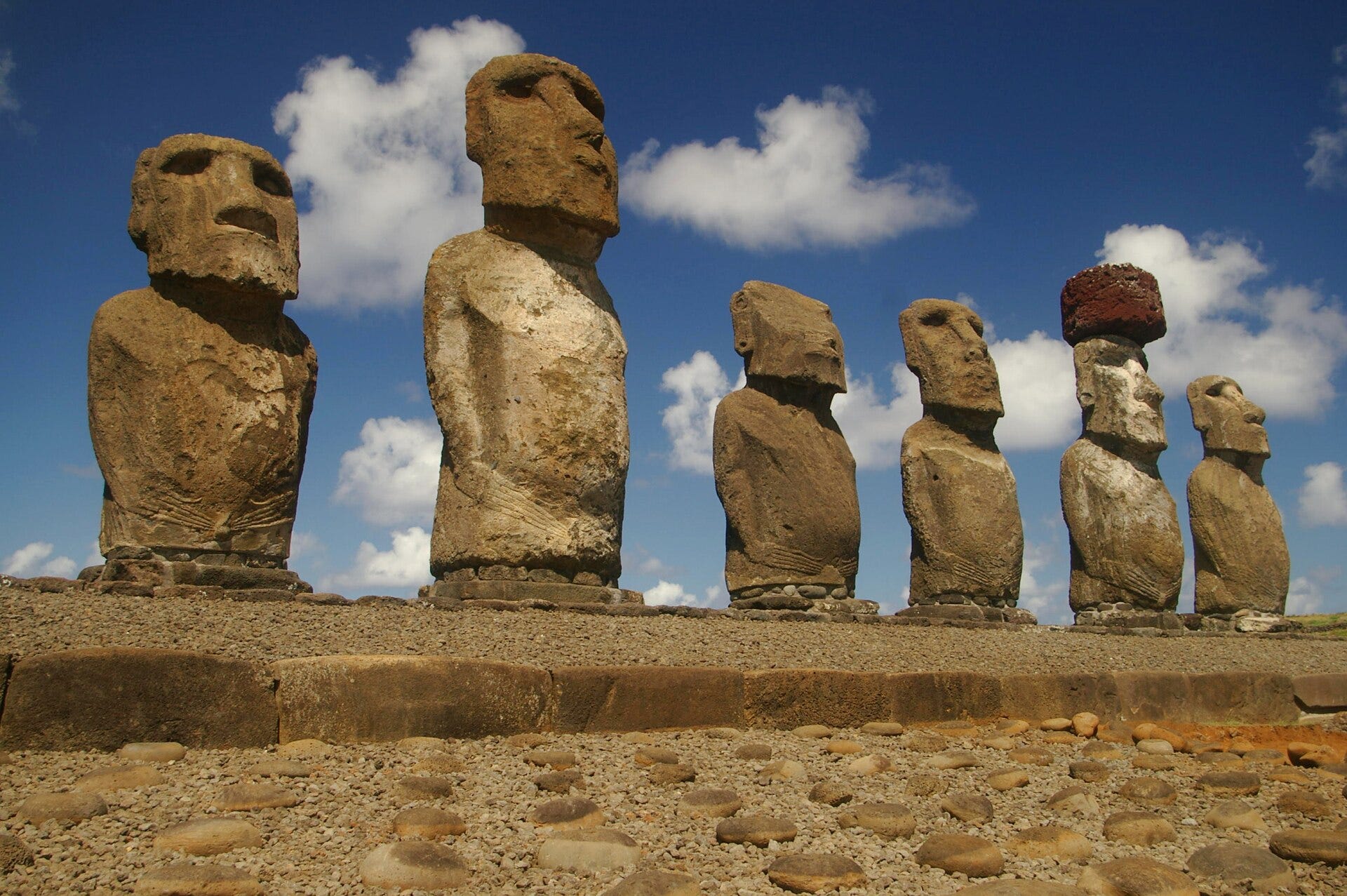
On Easter Sunday, April 5, 1722, after 17 days at sea, the Dutch navigator Jacob Roggeveen sighted a small island in the eastern Pacific. His crew were "struck with astonishment" by the giant stone statues that stood on it. Roggeveen named the island after the day, and it is still called Easter Island.
Its own people call it Rapa Nui and call themselves the Rapanui, and today the island belongs to Chile. The first Europeans to see it put the number of people living among the statues, which are known as moai, at about 3,000.
More than 270 years later, those statues became the heart of a grim lesson. In 1995 the writer Jared Diamond told it in Discover magazine, calling Easter Island "Earth writ small." In his telling, the islanders cut down every tree to move the moai, then fell into war and starvation.
His 2005 book Collapse made the tale famous. The tale needed a large population to collapse, and some earlier estimates put the island's peak at 17,500 people. In June 2024 a team from Columbia, Binghamton and Arizona universities tested that figure with satellite images of the island's rock gardens.
Those gardens are fields covered with stones that shield crops from the wind and keep the soil moist. They turned out to cover only about 188 acres, less than half a percent of the island. With fish and other crops, they could support about 3,000 people, close to the number the first Europeans recorded.
The 2024 study joins earlier archaeological work that finds no sign of a population crash before Europeans arrived. The forest did disappear, and scientists still debate why, with rats brought by the first settlers among the suspects.
The crash that is on record came later, and from outside. Over a few months in 1862 and 1863, Peruvian raiders carried off some 1,500 Rapanui as slaves, and the survivors who came home brought smallpox. By 1877 only about 110 islanders were left.
At a Glance
The myth: The islanders destroyed their forest and their own society before Europeans came
Spread by: Jared Diamond, in Discover magazine in 1995 and in his book Collapse in 2005
Where: Easter Island, or Rapa Nui, in the eastern Pacific, now part of Chile
What the evidence shows: Rock gardens of about 188 acres could support about 3,000 people, close to the number first recorded by Europeans
What really happened: Slave raids in 1862 and 1863 and smallpox left about 110 islanders by 1877
11. Who Built Great Zimbabwe? (1871 to 1980)
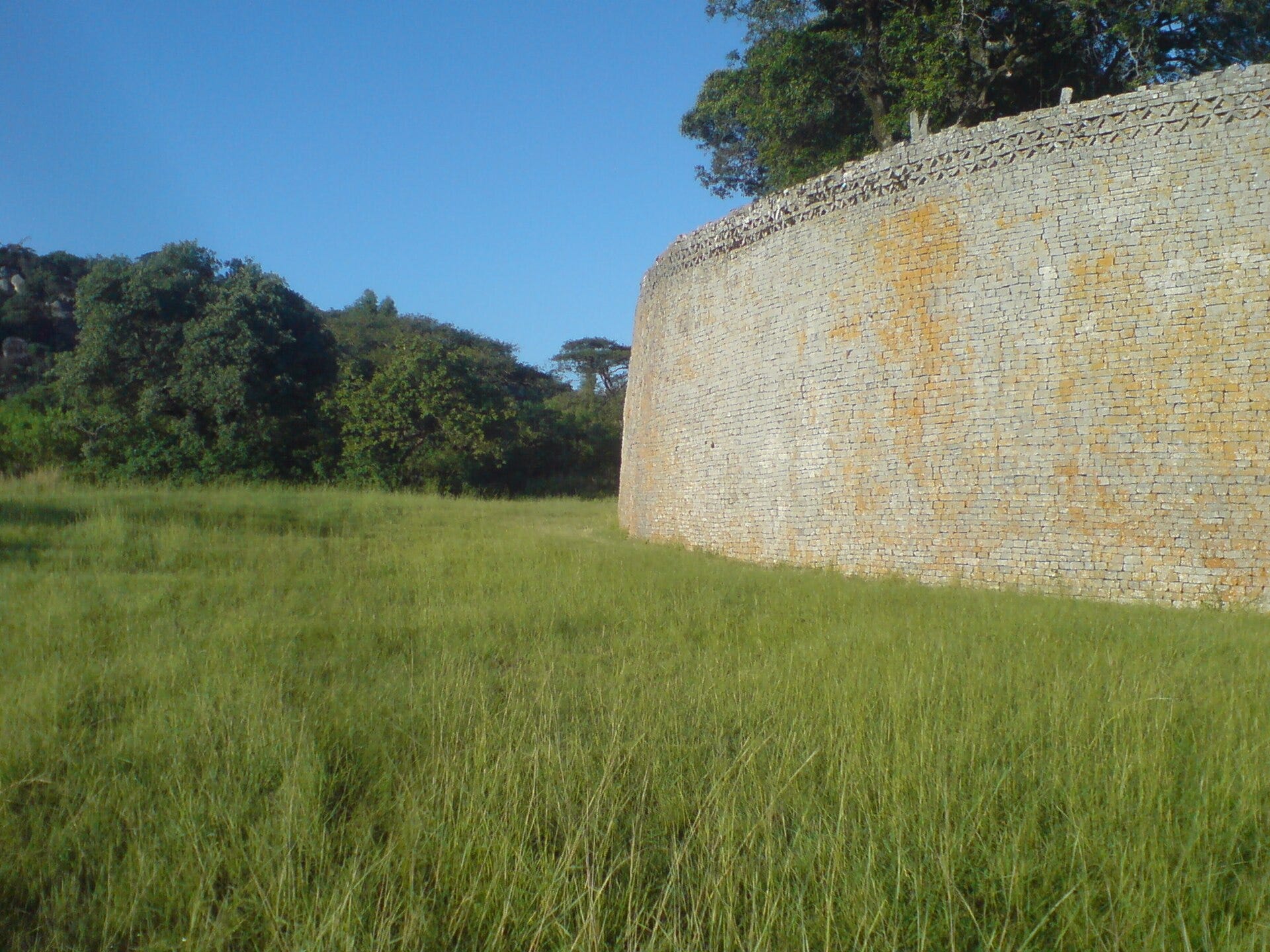
In 1871 the German geologist Karl Mauch was hunting for gold in southern Africa when he reached the granite walls of a ruined city now called Great Zimbabwe. Refusing to believe that Africans had built it, he decided he had found Ophir, the Bible's land of gold, and tied it to the biblical Queen of Sheba. Who really raised those walls, and why did the wrong answer last so long?