
Dynamite turns up on many lists of happy accidents, but Alfred Nobel found it after a planned series of tests. To make nitroglycerin, a liquid explosive, safer to handle, he mixed it with gunpowder, charcoal, sawdust and cement before he happened to try a powdery earth called kieselguhr. In a true accident, something nobody planned happens in a lab or a workshop, and someone notices the result instead of throwing it away.
Cool Stories About History is a newsletter to learn history the fun way.
Join free and get:
6 new stories a month, straight to your inbox
The full archive of stories
Comment, ask questions, and chat with other readers
How These Were Chosen
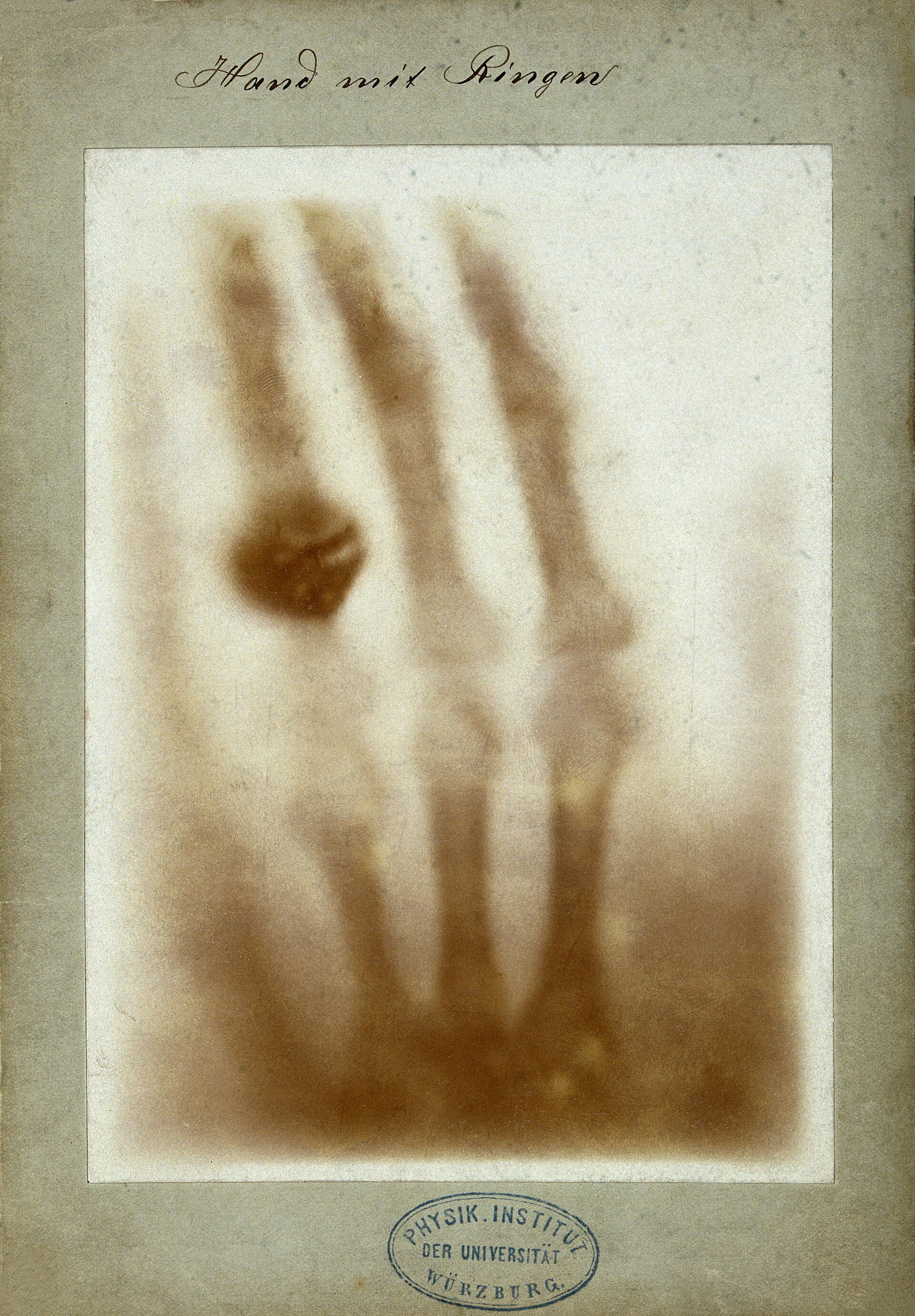
Twelve stories were kept, some about inventions and some about discoveries in nature, such as X-rays. In each one, chance produced a result nobody had planned, and someone noticed it.
In eleven of them, nobody was looking for the result that chance delivered. Charles Goodyear is the exception. He had spent years trying to make rubber stand heat and cold, and a piece of rubber that landed on a hot stove supplied only the decisive step.
Popular food stories, such as the potato chip, were left out because no reliable record backs them. The twelve run from the least familiar story to the most famous.
12. The Implantable Pacemaker (1956)
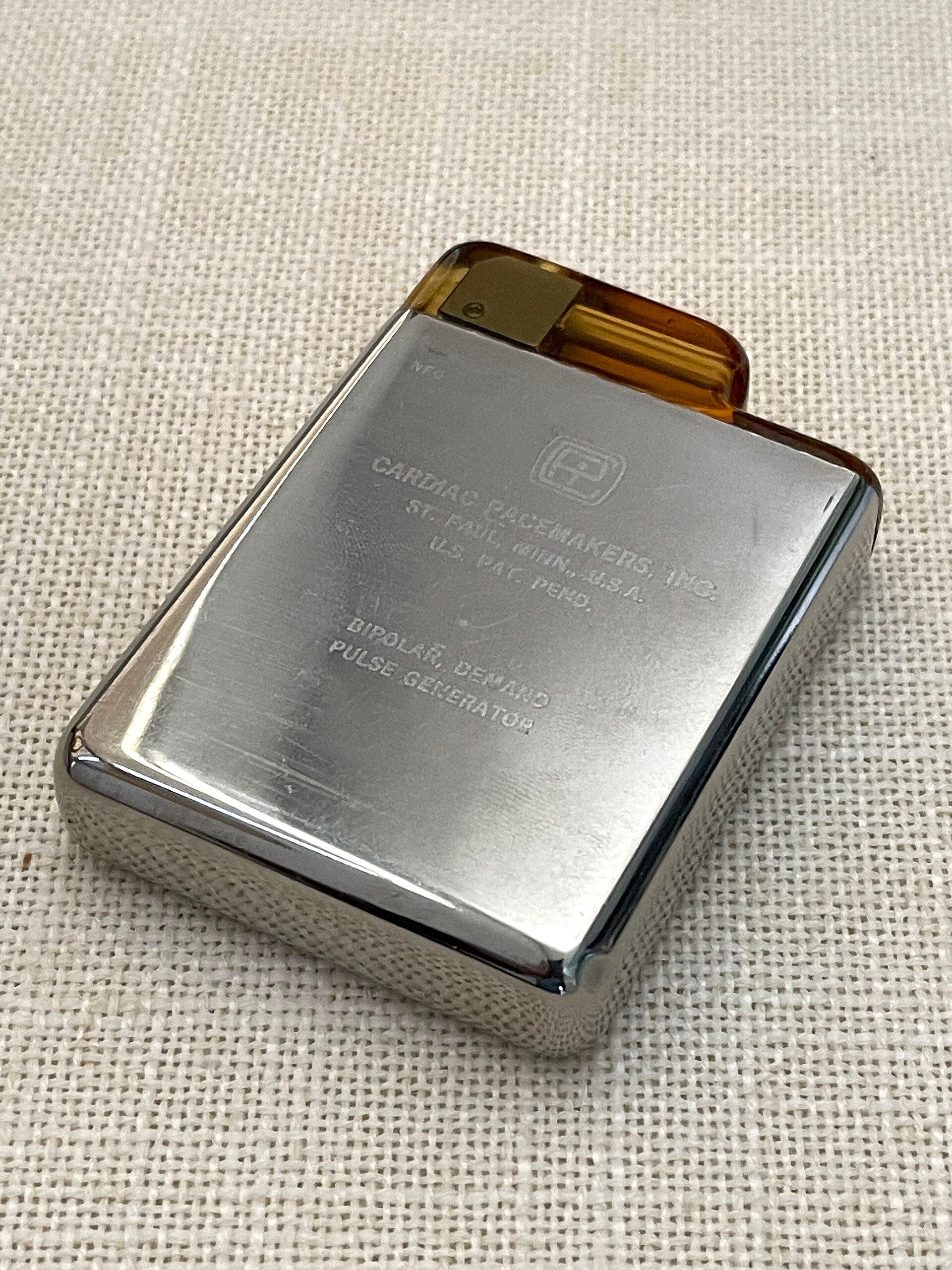
An electrical engineer named Wilson Greatbatch was building a circuit in 1956 at the University of Buffalo, in New York State, to help record fast heart sounds. While wiring it, he put in a resistor of the wrong value by mistake. A resistor is a small part that limits the electric current, and its value says how much current it lets through.
The circuit began to pulse in a steady "lub-dub" rhythm, like a heart. Greatbatch recognized in that pulse a way to keep a failing heart beating at a regular pace.
Machines that regulated the heartbeat already existed, but they were the size of a television set and painful to use. A circuit as small as his could be sealed inside a device and placed in the body.
His employer, Taber Instrument, refused to take the risk. If a device sewn into a patient failed, the legal blame would fall on the company. So Greatbatch set out on his own with $2,000 and built 50 pacemakers by hand in a workshop in a barn.
In April 1958 he met William Chardack, chief of surgery at the Veterans Administration Hospital in Buffalo. On May 7, 1958, the two men implanted a pacemaker in a dog. Body fluids seeped past the electrical tape that sealed it, and the device shorted out after four hours.
In April 1960, Chardack implanted the first of 10 pacemakers in human patients. The first patient was a 77-year-old man, and he lived another 18 months. The weak point was the battery, which lasted about two years, until Greatbatch developed a lithium battery that did not corrode.
By 1972 his pacemakers ran for 10 years or more. In 1985 the National Society of Professional Engineers named the implantable pacemaker one of the ten greatest engineering contributions of the previous 50 years. Over his lifetime, his pacemakers and batteries saved the lives of millions of people.
At a Glance
Inventor: Wilson Greatbatch, an electrical engineer from Buffalo
Accident: A resistor of the wrong value made his circuit pulse like a heartbeat
Date: 1956, first human implant in April 1960
Place: Buffalo, New York
What came of it: The implantable pacemaker, later powered by his own lithium battery
11. Saccharin (1878)
In June 1878, a chemist named Constantin Fahlberg sat down to dinner in Baltimore after a day of work in a laboratory. He picked up a roll with his hand, bit into it and found the crust remarkably sweet. Nobody had put any sugar on that roll, so where was the sweetness coming from?